The Ultimate Guide to Finding The Right Tattoo Studio For You
Choosing a tattoo studio is one of the most consequential decisions in the whole process of getting tattooed — and one that many people underestimate. A skilled artist working in a well-run studio is the difference between a tattoo you love for the rest of your life and one you start researching cover-ups for immediately. The market is saturated with studios offering everything from budget walk-ins to high-end custom work, and the differences go far beyond price. This guide gives you a clear framework for evaluating any studio properly before you commit.
Hygiene and Sterility: The Starting Point
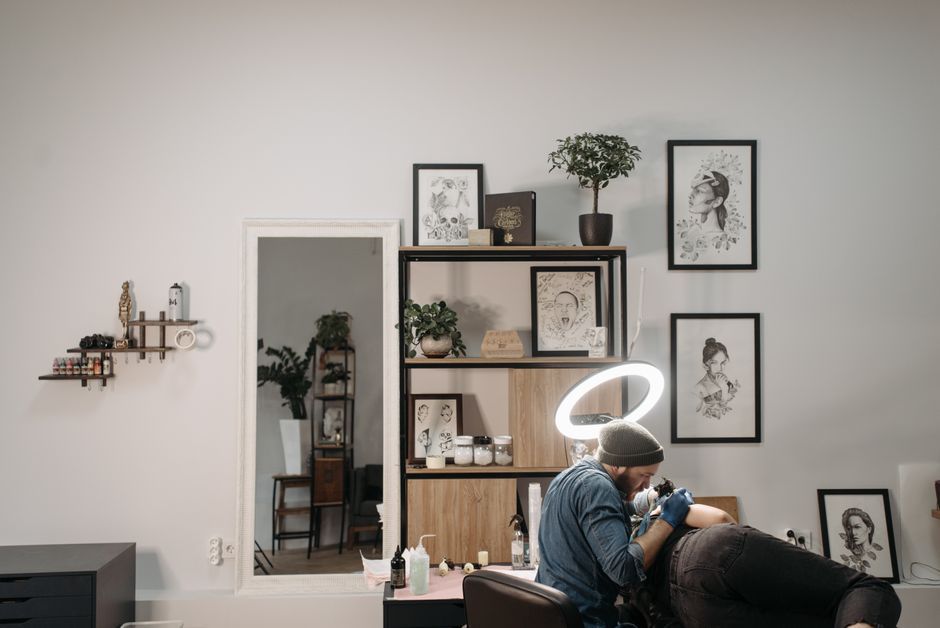
The most important thing about any tattoo studio is whether it's safe. A tattoo is a puncture wound, and infection control is not a nice-to-have — it's the foundation everything else is built on. Before you consider style, price, or location, assess the hygiene standards of any studio you're looking at. The following are non-negotiable at a professional studio:
Single-use, disposable needles opened in front of the client. Ink poured into fresh, disposable caps from sealed bottles. New gloves worn throughout — and changed if the artist touches anything outside the sterile field. Work surfaces covered in disposable film, changed between clients. Sharps disposed of in dedicated containers. An autoclave for sterilising any reusable equipment. A workspace that's clean, organised, and doesn't look chaotic.
If you visit a studio and can't see evidence of these standards — or if an artist is vague or defensive when you ask about their sterilisation process — leave. Every reputable studio will be happy to walk you through their hygiene protocols, because they take them seriously. At Teddington Ink, we'll explain every step of our process to any client who asks.
Reading Artist Portfolios Properly
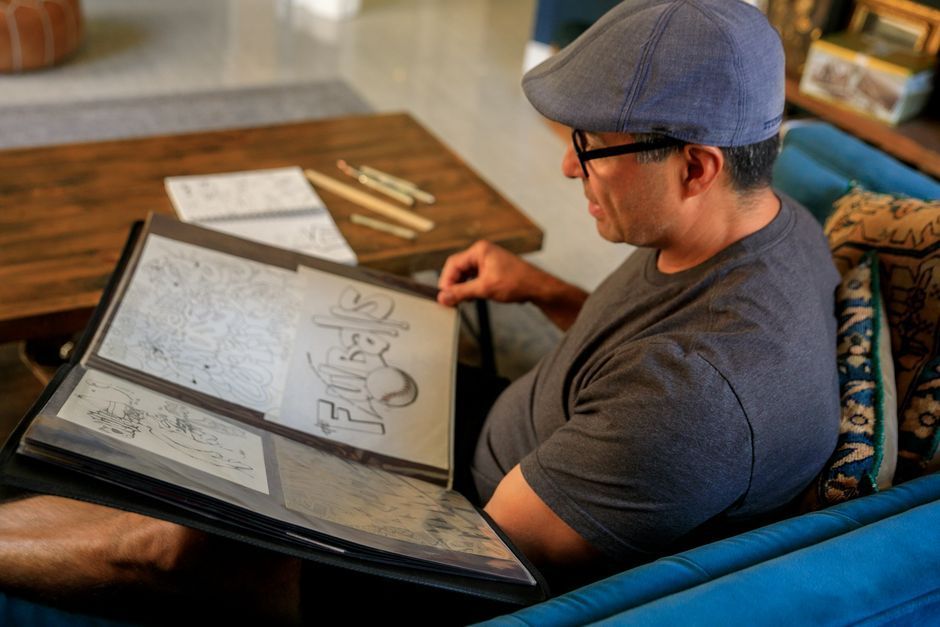
Every studio has a portfolio, but knowing how to evaluate one well is what separates clients who find the right artist from those who settle. A few key things to look for:
Healed work, not just fresh tattoos. A fresh tattoo always looks bright and crisp. Healed work tells you how the artist's tattoos actually age — whether lines stay sharp, shading holds depth, and colours don't muddy over time. Ask to see healed examples of the style you want. This is the most revealing question you can ask.
Consistency across multiple examples. A portfolio with many examples of consistently strong work in your chosen style is more reassuring than one or two standout pieces surrounded by weaker ones. Look at the average quality, not just the best piece.
Specialism in your style. Tattooing encompasses many distinct styles — fine line, blackwork, neo-traditional, Japanese, realism, watercolour — and artists who specialise in one typically produce better work in that style than those who take on everything. Make sure the portfolio contains strong examples of exactly what you're after.
Specialist vs Generalist Studios
Some studios take on almost any style; others focus on one or two specific aesthetics. Neither is inherently better — but understanding which you're dealing with helps you assess fit. A generalist studio with strong, versatile artists can be excellent for common styles. For highly technical or specific work — hyper-realism, traditional Japanese, ultra-fine line — a studio whose entire team focuses on that aesthetic tends to produce stronger results.
Look at the studio's overall social media and website, not just the individual artist you're considering. If the studio primarily showcases bold traditional work and you want delicate single-needle fine line, note that even if one artist's portfolio looks right. Studios develop a culture and ethos that influences how everyone works. The best fit is an artist whose style aligns with what you want, in a studio that supports and specialises in that style.
The Consultation: What It Tells You
The consultation is your most valuable signal about how a studio operates. A good one involves a genuine conversation about your design concept, honest feedback on what will and won't work on skin, discussion of size and placement, and a realistic explanation of the process. It should feel collaborative and unhurried. You should leave the consultation feeling more certain, not more confused.
Red flags to look for: an artist who dismisses your references without explanation, who doesn't ask questions about what you're looking for, who seems focused on getting you booked and paid rather than on the quality of the result, or who quotes a price significantly below market rate without explanation. Good tattoo work has a genuine cost — a quote that seems too good to be true almost always comes with a compromise somewhere.
Also note how the studio communicates before you even arrive. Are enquiries answered promptly and thoroughly? Is the booking process clear? Studios that communicate well before the appointment tend to run the appointment itself with the same professionalism.
Reviews and Reputation
Online reviews give you insight into the client experience, not just the artistic output. Google Reviews specifically are worth reading in detail — they're harder to manipulate than platform-specific reviews and tend to reflect genuine experiences. Read the detailed written reviews rather than just the star ratings. What do clients say about communication, the atmosphere, how comfortable they felt, and how the artist responded to questions or concerns?
Be appropriately sceptical of studios with exclusively five-star reviews and no detail — these can be fabricated. A studio with a strong average and varied, specific feedback is more credible than one with a suspiciously perfect score. Also note how studios respond to any negative reviews — a measured, professional response reveals more about how a business is run than a complaint does.
Word of mouth from people whose tattoos you've actually admired in person remains the most reliable recommendation. If you see a tattoo that genuinely impresses you, ask where it was done. Most people are happy to share.
Location, Pricing, and Practical Logistics
Practical factors matter, particularly for larger or multi-session pieces. For significant work that requires several sittings, studio location will factor into the cost and logistics of each visit. For a single piece, travelling for the right artist is almost always worth it. Pricing structures vary: hourly rates, flat rates per piece, day rates for long sessions, minimum charges. Understand exactly what you're being quoted before you commit to a deposit.
A deposit is standard at professional studios. It secures your booking, compensates the artist for any design time before the session, and goes toward your total. A studio that doesn't take deposits isn't inherently untrustworthy, but it's worth noting. Very large deposits with no clear cancellation policy are worth questioning before you agree.
What Teddington Ink Offers
At Teddington Ink, we specialise in fine line, blackwork, and precision custom work. Our artists — Kodee, Vita, and Alejandro — each bring a distinct aesthetic and body of work. We're selective about the projects we take on because what we produce needs to be something we're genuinely proud of. Consultations are thorough, pricing is transparent, and our studio is built around the quality of the work and the experience of the client.
We're in Teddington, south-west London, easily accessible from Richmond, Kingston, Hampton, Twickenham, and the surrounding area. If you're in the research phase or ready to book, we're happy to have a conversation before you commit to anything.
Frequently Asked Questions
How do I know if a tattoo studio is hygienic?
Look for clear evidence of single-use equipment, covered surfaces, and an organised clean workspace. Ask directly how the studio sterilises its equipment — a reputable studio will answer without hesitation. Defensiveness or vagueness about hygiene is a strong signal to look elsewhere.
Should I go to the cheapest tattoo studio I can find?
No. Tattooing is permanent, and a significantly lower price almost always reflects a compromise — in ink quality, sterilisation standards, the time taken on your piece, or the artist's experience level. Covering or correcting a poor tattoo costs far more than investing in a good one in the first place.
Is it worth travelling for a good tattoo artist?
For significant or technically demanding pieces, absolutely. Many clients travel long distances — or internationally — for the right artist. The tattoo stays with you permanently; the journey is a one-time inconvenience.
Should I book the first available slot?
Not necessarily. The best artists are often booked weeks or months in advance. If you find an artist whose work genuinely excites you, it's worth waiting for their availability rather than booking a sooner slot with someone whose work you feel less confident about.
How do I find the right style of artist for my idea?
Start by collecting reference images of tattoos you genuinely love, then look at what style those references have in common — fine line, blackwork, traditional, realism, and so on. Search for artists who specifically advertise that style and whose portfolio is full of consistent examples. Coming into a consultation with clear references gives the artist the best possible starting point.
Ready to explore what's possible at Teddington Ink? Get in touch to start a conversation with one of our artists. If you want to go even deeper on evaluating individual artists before you book, our guide on how to pick the right tattoo artist and studio covers the next level of detail.