Tattoo Removal: What Actually Happens and What to Expect
Not every tattoo is forever — or at least, it doesn't have to be. Whether you've outgrown a design, need to clear space for new work, or simply want a fresh start, laser tattoo removal has become genuinely effective in a way that simply wasn't possible a generation ago. But the process is often misunderstood. Here's an honest breakdown of what actually happens, what results are realistic, and what your alternatives might be.
How Laser Tattoo Removal Actually Works
Laser removal works by directing concentrated pulses of light energy into the tattoo pigment beneath the skin. The laser targets specific ink colours without significantly affecting the surrounding skin tissue. When the ink particles absorb this energy, they shatter into smaller fragments that the body's immune system can then clear away over time — carried off by macrophages, the same cells that originally responded when the tattoo was applied.
This is why removal takes multiple sessions with gaps between them. Each session breaks down another layer of ink particles, and you then need to wait — typically six to eight weeks — for your body to clear those fragments before the next treatment. The waiting is frustrating but essential; treating too frequently gives the immune system no time to do its work and reduces overall effectiveness.
Modern Q-switched and picosecond lasers have significantly improved outcomes compared to earlier technology. Picosecond lasers in particular deliver energy in extremely short bursts (trillionths of a second), which shatters ink particles more completely and often requires fewer sessions than older equipment.
How Many Sessions Will You Need?
This is the question everyone asks, and unfortunately there's no simple answer. The number of sessions required depends on a combination of factors: the age of the tattoo (older ink is easier to clear), the colours used, the depth the ink was applied, the size of the piece, and your individual skin type and immune response.
Black ink responds best to laser treatment because it absorbs all wavelengths of light. Coloured inks are more variable — green and blue can be particularly stubborn and may require specialist laser wavelengths. Red, orange, and yellow inks sometimes fade more readily but can also be unpredictable.
A small, single-colour tattoo applied by a professional might clear significantly in four to six sessions. A large, multicoloured piece could require twelve or more. Complete removal — where no trace of the tattoo is visible — is achievable in many cases but not guaranteed. Most clinics offer consultations where they assess your specific tattoo and give you a realistic range to work toward.
Does Tattoo Removal Hurt?
Honestly, yes — though most people find it manageable. The sensation is frequently described as similar to having a rubber band snapped repeatedly against the skin, or hot grease splashing. The intensity varies with ink density and placement, much as the original tattooing did. Areas over bone or with thin skin tend to be more sensitive.
Reputable removal clinics offer topical numbing cream applied before the session, and some use chilled air or a cooling device during treatment to reduce discomfort. Sessions are typically quite short — treating a small tattoo might take only a few minutes — which makes the discomfort easier to bear than the hours involved in getting the tattoo in the first place.
There will be some redness and mild blistering immediately after treatment, which settles within a few days. Following aftercare instructions carefully — keeping the area clean, avoiding picking at blisters, and staying out of the sun — significantly reduces the risk of scarring or pigment changes.
Factors That Affect Your Results
Beyond ink colour and tattoo age, several lifestyle factors influence how well your body clears removed ink. Smoking impairs circulation and immune function, which slows the clearance process measurably — if you smoke, quitting (or at least reducing) during a removal course is one of the most effective things you can do to speed results. Exercise and hydration both support immune function and circulation, with similar benefits.
Skin tone plays a role too. Laser removal is most straightforward on lighter skin tones, because the contrast between ink and skin makes it easier to target pigment precisely. Darker skin tones require careful wavelength selection to avoid affecting melanin in the surrounding skin, but experienced clinicians working with appropriate equipment can achieve excellent results across all skin tones. Choosing a specialist with documented experience across skin tones is particularly important if this applies to you.
Removal vs. Cover-Up: Which Should You Choose?
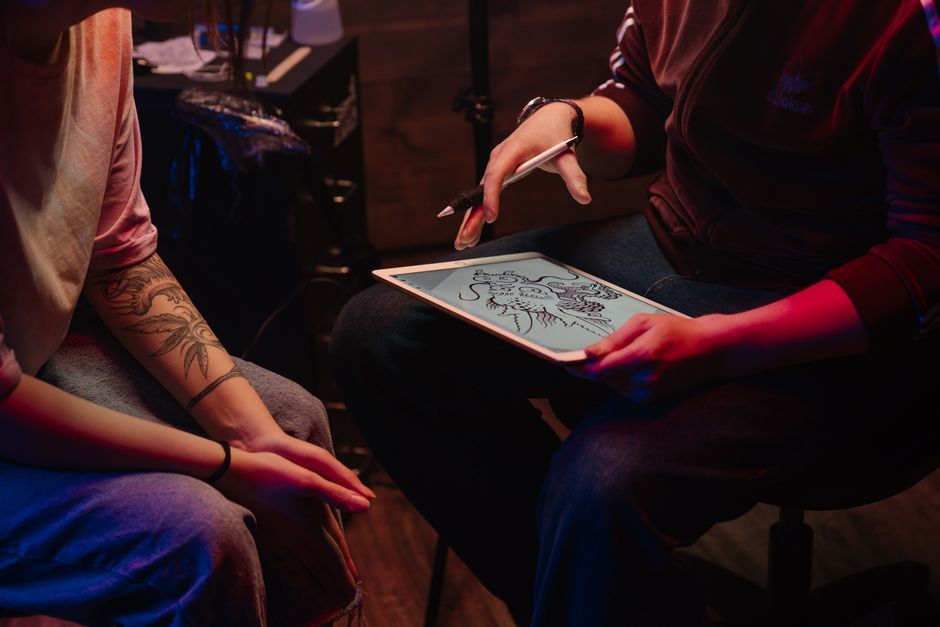
Laser removal and cover-up tattoos aren't mutually exclusive — in fact, many people use a combination. A few laser sessions can fade an unwanted tattoo significantly without aiming for complete removal, making the underlying ink light enough for a cover-up artist to work over with far more creative freedom than they'd have on an untreated tattoo.
A complete cover-up without any laser preparation typically requires a new design that is larger and darker than the original, which limits your options. A few removal sessions change this considerably — a faded tattoo opens up much more design space. Our detailed guide to cover-up tattoos covers what's achievable and how to approach the design conversation with your artist.
Whether removal or a cover-up is the right route depends on your goals. If the final aim is clean skin with no tattoo, removal is the path. If you want to replace the design with something new, a combination approach often gives the best outcome. If you're considering new work in the area, book a consultation at Teddington Ink and we can advise based on your specific tattoo.
What Removal Cannot Fix
It's worth being realistic about the limits of laser removal. Complete, trace-free clearance isn't guaranteed for every tattoo, particularly heavily saturated professional work with multiple colours. Some residual "ghost" of the tattoo — a faint shadow or slight texture difference in the skin — can remain even after extensive treatment. Tattoos applied particularly deeply, or where scarring occurred during the original application, may leave permanent texture changes that laser treatment cannot address.
These aren't reasons to avoid removal if it's the right choice for you — just reasons to go in with realistic expectations and choose a qualified, experienced practitioner who will assess your specific situation honestly rather than promising complete removal regardless of the tattoo.
Frequently Asked Questions
Can any tattoo be fully removed?
Many tattoos can be removed completely, but full clearance isn't guaranteed for every piece. Older, single-colour, professionally applied tattoos tend to have the best outcomes. Heavily saturated multicolour work may fade significantly without fully disappearing. A specialist consultation before starting treatment will give you an honest assessment.
How much does tattoo removal cost in London?
Costs vary by clinic and tattoo size but typically range from £60–£200 per session for smaller pieces. Larger tattoos may be priced by the area treated. Given the number of sessions usually required, removal is rarely cheap — factoring total course costs against cover-up alternatives is worth doing before committing.
Is home removal safe?
No. Creams and home devices marketed as tattoo removers are ineffective at best and capable of causing scarring or chemical burns at worst. Effective removal requires medical-grade laser equipment operated by a trained practitioner. Avoid anything claiming removal without professional laser treatment.
How long after removal can I get a new tattoo in the same spot?
Most removal specialists recommend waiting until the skin has fully healed between the end of removal treatment and starting new work — typically three to six months after your final session. This ensures the skin is in the best condition to receive new ink.
Should I tell my tattoo artist I've had removal done?
Yes, always. Previously treated skin can behave differently — it may take ink more readily in some areas and less in others. Your artist needs to know so they can adjust their technique accordingly.