Neo-Traditional Tattoos: Bridging Old School and Fine Art
Neo-traditional tattooing sits in a fascinating space — it carries the DNA of classic American tattooing but pushes the form into something far more expressive and visually complex. If you've ever found yourself drawn to images that feel simultaneously timeless and modern, with strong linework and jewel-bright colours but without the simplicity of old school flash, neo-traditional might be exactly what you're looking for.
What Exactly Is Neo-Traditional?
Neo-traditional is a style that evolved from old school (or American traditional) tattooing, taking its core principles — bold outlines, solid colour fills, and iconic imagery — and expanding them with greater detail, more sophisticated colour palettes, and influences from illustration, Art Nouveau, and even Art Deco. The result is a style that feels grounded in tattoo history while pushing its visual vocabulary significantly further.
Where old school tattoos tend to use flat colour and simple shading, neo-traditional pieces incorporate dimension, texture, and layered colour work. You'll see intricate petal details within flowers, the suggestion of fur in animal portraits, and backgrounds that range from dense foliage to geometric architecture — all executed with a confident, unwavering line.
The style began gaining serious traction in the 1980s and 1990s as a generation of tattooers sought to honour tradition while escaping its creative constraints. Today it remains one of the most beloved styles in contemporary tattooing, both for its visual impact and its relative longevity on skin.
The Visual Language of Neo-Traditional
What makes a tattoo unmistakably neo-traditional? Several defining characteristics work together. The outline is king — you'll always find strong, deliberate black lines forming the structure of the piece. These outlines are typically thicker than in styles like fine line or realism, giving the work a graphic quality that reads clearly even at a distance.
Colour is another hallmark. Neo-traditional palettes tend toward the rich and saturated — deep emerald greens, burgundy reds, cobalt blues, and warm golds. These aren't the neon brights of some new school work; they're more reminiscent of oil paintings or vintage botanical prints. Shading often uses colour rather than pure black-and-grey gradients, adding warmth and depth.
Subject matter draws heavily from nature — florals, animals, and portraits are especially popular — as well as mythology, celestial imagery, and symbols from folklore. Roses, foxes, owls, and daggers feature prominently, though skilled artists apply the style to virtually any subject matter a client brings to the table.

How It Differs From Old School and New School
Understanding neo-traditional is easier when you compare it to its relatives. Old school (American traditional) uses a limited, flat palette — primary reds, blues, and yellows — and favours iconic subjects like anchors, pin-ups, and swallows, rendered with minimal shading. It's bold and recognisable but relatively simple by design. Neo-traditional takes that boldness and layers on significantly more artistic ambition.
New school, by contrast, pushes even further — toward cartoon-like exaggeration, outlandish colour combinations, and a playful irreverence that can feel almost surreal. Neo-traditional sits between the two: it respects the structural logic of old school while achieving a level of artistic sophistication that new school often abandons in pursuit of maximalism.
Neo-traditional also tends to age more predictably than very detailed fine line or realism work. The strong outlines hold the design together over time, and the saturated colours, while they'll mellow slightly, don't break down as dramatically as lighter tones in other styles.
Choosing the Right Artist
As with any specialised style, finding an artist who genuinely excels at neo-traditional work is essential. Look carefully at their portfolio — specifically at linework consistency, colour saturation, and how cleanly the shading transitions. The hallmark of a skilled neo-traditional artist is confident execution: no wobbly outlines, no muddy colour blending, and a clear compositional sense that makes the finished piece feel balanced even when it's complex.
Ask about their design process. Neo-traditional pieces benefit enormously from a custom design conversation rather than picking flash off a wall. The best artists in this style will want to understand what imagery resonates with you, how the placement works with your body, and how to create a piece that flows rather than sits flat against the skin.
You can explore the full range of tattoo styles at Teddington Ink in our guide to best tattoo styles, which breaks down how neo-traditional compares to the many other approaches our artists work in.
Placement Considerations
Neo-traditional designs tend to work best on areas with enough real estate to breathe — upper arms, thighs, calves, forearms, and the back are all ideal. The style can incorporate detailed backgrounds, borders, and filler elements that benefit from space to develop. That said, a skilled artist can create smaller, standalone neo-traditional pieces — a single flower on a wrist or a small portrait on an ankle — as long as the design is adapted to the scale.
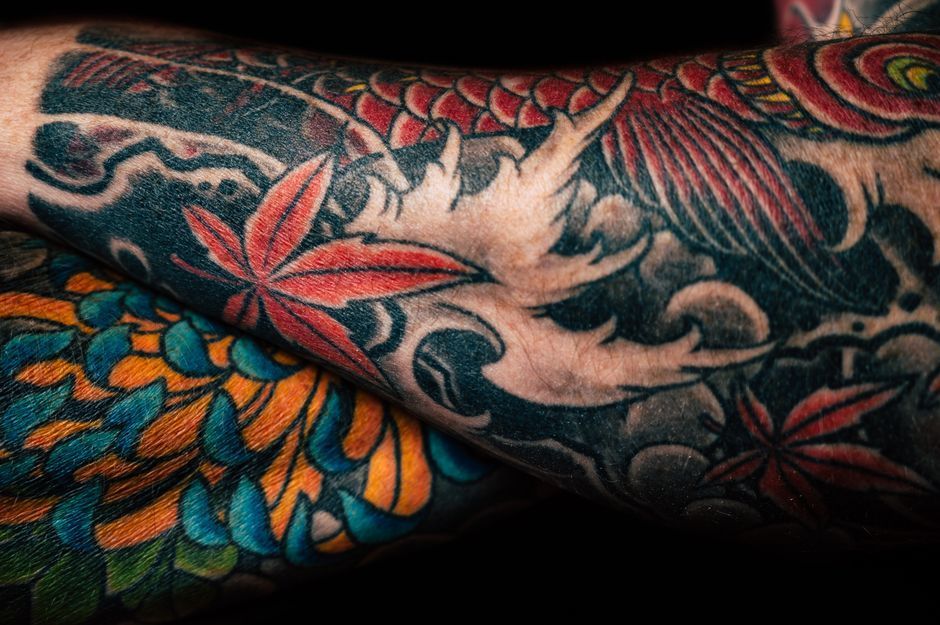
Consider how the piece might connect to future work if you're thinking about a sleeve or larger body project. Neo-traditional elements sit beautifully alongside one another, and many collectors build entire sleeves in this style, creating a unified visual world across their arm or leg.
What to Expect During the Session
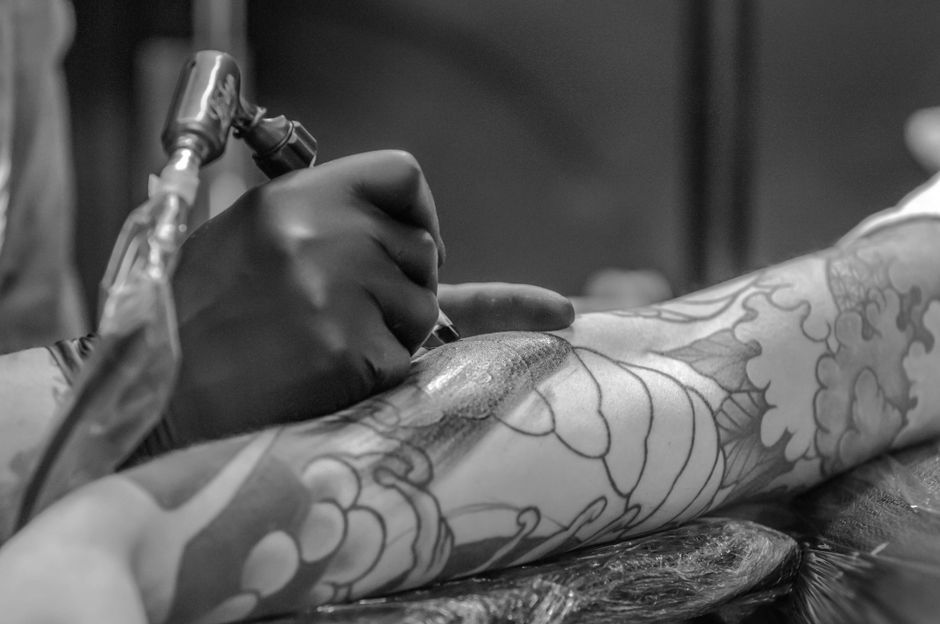
Neo-traditional tattoos often require longer sessions than simpler styles, particularly for larger pieces. The combination of dense colour packing and precise linework takes time to execute well. Your artist may split larger pieces across multiple sittings — this isn't unusual and actually produces better results, as fresh skin takes colour more consistently than fatigued skin.
Aftercare is the same as any tattooed area, but the rich colour fills deserve particular attention. Keeping the skin moisturised during healing and out of direct sunlight in the early weeks will protect the vibrancy you paid for.
Frequently Asked Questions
Do neo-traditional tattoos age well?
Yes — the bold outlines that define the style help hold the design together over time. Colours will soften slightly as they do in all styles, but a well-executed neo-traditional piece remains legible and striking for decades with basic sun protection and occasional touch-ups.
How long does a neo-traditional tattoo take?
It depends on size and complexity. A palm-sized piece with moderate detail might take three to four hours. Larger, background-heavy designs may require five to eight hours across one or two sessions. Your artist will give you a realistic estimate at consultation.
Can neo-traditional be done in black and grey?
Yes, though it's less common. The style translates well to black and grey, producing rich tonal contrasts with the same strong linework. However, much of neo-traditional's signature appeal comes from its colour palette, so many artists prefer to work in colour.
Is neo-traditional suitable for cover-ups?
It can be an excellent choice — the bold lines and dense colour fill are effective at reworking and concealing older tattoos. Discuss the existing tattoo with your artist at consultation; they'll advise whether the size, placement, and existing ink are compatible with a neo-traditional approach.
How much does a neo-traditional tattoo cost?
Pricing varies by size, complexity, and the artist's rate. As a general guide, expect to pay for the time involved — neo-traditional work is detailed and shouldn't be rushed. Book a consultation at Teddington Ink and we'll give you an accurate quote based on your specific design.