Tattoo Touch-Ups: When Do You Need One and What Does It Involve?
Even a perfectly executed tattoo can need a touch-up. Ink behaves differently in different areas of skin; bodies change over time; healing is an imprecise process that occasionally leaves small gaps or areas where ink hasn't settled evenly. Touch-ups are a normal, accepted part of tattooing — not a reflection of poor work, and not something to feel awkward asking about. Here's a clear guide to when you need one, what's involved, and how to get the best result.
What a Touch-Up Actually Is
A touch-up is a targeted session where an artist goes back into a healed tattoo to correct specific areas — filling gaps where ink didn't hold, strengthening lines that have softened or faded, adding colour to areas that healed patchy, or sharpening detail that has blurred slightly over time. It's not a full redo of the tattoo; it's selective, precise work on the areas that need attention.
Most touch-up sessions are short — anywhere from 15 minutes to an hour depending on how much work is needed. For small gaps in fresh healing, a single short session is typically all that's required. For older tattoos that have faded significantly over years, a more substantial refresh may be needed.
When Is a Touch-Up Needed After Fresh Healing?
After a tattoo has fully healed — generally 8–12 weeks after the session — it's worth assessing whether anything looks like it might need attention. Small gaps in lines, thin areas where the ink hasn't settled evenly, or slightly patchy colour saturation are all common results of the healing process and can be addressed in a quick follow-up. Many studios offer a complimentary touch-up within a set window after the original session (typically 3–6 months), so check your studio's policy when you book.
The most important rule: wait until the tattoo is fully healed before making any assessment. A tattoo that looks cloudy, dull, or uneven at week three is almost always in the middle of the healing process, not actually patchy. Assessing a tattoo before it has fully healed leads to unnecessary touch-ups for things that would have resolved on their own.
Touch-Ups on Older Tattoos
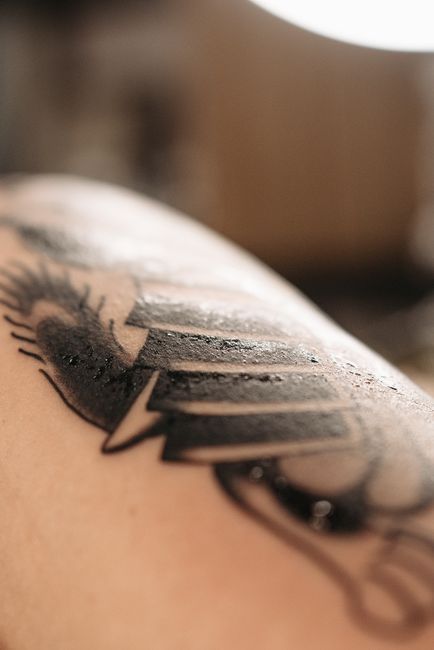
Tattoos that are several years old naturally soften as ink disperses slightly in the skin and UV exposure breaks down pigment over time. A touch-up on an older tattoo — sometimes called a refresh — goes back through the piece to re-saturate faded areas, sharpen lines that have spread, and restore colour vibrancy. This is particularly relevant for fine line tattoos, which have less ink in the skin to begin with, and for colour work that has been heavily sun-exposed.
The right time to refresh an older tattoo is when you feel the piece no longer looks as strong as it did — not on a fixed schedule. Some tattoos look great for 10+ years with minimal change; others, particularly those on high-sun-exposure placements without good SPF protection, may benefit from attention at the 5-year mark. There's no universal rule — it depends on the individual tattoo, placement, aftercare habits, and your own aesthetic standards.
When a Touch-Up Won't Fix the Problem
Touch-ups address minor gaps and fading, but they can't fundamentally correct issues that stem from the original execution. If lines are significantly blurred, shading is uneven across a large area, or the overall composition has problems, a touch-up session isn't the right solution — a more substantial rework or a cover-up consultation may be needed. Similarly, if you've been in significant sun without protection and a tattoo has faded dramatically, multiple sessions may be required to restore it rather than a single touch-up.
The clearest way to know what's needed is to show the tattoo to the original artist (or another experienced tattooist if you've moved or changed studios). A professional assessment in person gives a much clearer picture than a photo shared remotely.
Touch-Ups and Aftercare
A touch-up session heals exactly like the original tattoo, just over a smaller area. The same aftercare principles apply: keep it clean, apply a thin layer of unscented moisturiser, keep it out of the sun, and don't pick at any peeling. Because the area is usually smaller, touch-ups typically heal faster than the original piece — but the same care is still required to avoid disrupting the new ink before it settles.
If you had significant issues with the original healing (unusual sensitivity, slow healing, repeated patchiness), mention this to your artist before a touch-up so they can adjust their approach accordingly. Some skin types are genuinely more challenging to tattoo — knowing this in advance helps both artist and client set appropriate expectations.
Frequently Asked Questions
Are touch-ups free?
Many studios offer complimentary touch-ups within a set window (typically 3–6 months) if the tattoo was executed by them and the client followed aftercare instructions. Touch-ups needed due to poor aftercare — swimming too soon, picking, excessive sun exposure — may be charged, as the issue isn't with the original work. Touch-ups on older tattoos or on work done elsewhere will typically be quoted at the artist's normal rate.
Can I go to a different artist for a touch-up?
Yes, though the new artist needs to work with what's already there. Going to the original artist is generally preferable as they know the piece and their own work. If the original artist is unavailable, find an artist experienced with the style of the original tattoo to ensure consistency.
How long after a tattoo should I wait before assessing it?
Wait a minimum of 8 weeks — ideally 10–12 — before making any assessment. The tattoo won't show its true healed appearance until all the peeling has resolved and the skin has settled completely. Assessing earlier leads to unnecessary concern and unnecessary touch-ups for things that resolve on their own.
Will a touch-up hurt as much as the original tattoo?
Usually less, because the area being worked is smaller and the session is shorter. Some people find previously tattooed skin slightly more sensitive; others find it less so. Most touch-up sessions are short enough that discomfort is very manageable regardless.
If you're considering a touch-up on an existing tattoo — fresh or older — book in with Teddington Ink. Read our complete aftercare guide to make sure your healing is on track before your touch-up appointment.