Watercolour Tattoos: What They Are and What You Should Know
Watercolour tattoos are among the most visually distinctive styles in contemporary tattooing — and also among the most misunderstood. The deliberate looseness, the flowing colour washes, the impression of paint brushed directly on skin: it's an aesthetic that attracts clients who want something that looks genuinely different from traditional tattooing. But watercolour work also comes with specific technical considerations that are worth understanding before you book. This is an honest guide to what the style actually involves.
What Watercolour Tattooing Is
Watercolour tattooing mimics the aesthetic of watercolour painting — soft edges, colour bleeds, deliberate "imprecision," translucent colour washes layered over one another, and the intentional appearance of paint on a surface. The key word is mimics: skin isn't paper, and the techniques required to create a watercolour effect on skin are entirely different from those used in watercolour painting. The style requires specific expertise in colour blending, layering, and the controlled use of negative space to create the impression of looseness.
Good watercolour tattoos are not actually "loose" in execution — they're precisely planned and executed, with the appearance of spontaneity achieved through deliberate technique. This is the first thing to understand: a watercolour tattoo that looks free and painterly is the result of considerable technical skill, not an easier or simpler execution than other styles.
The Longevity Question
Watercolour tattoos age differently from bold-line styles, and this is the most important thing to understand before booking. The deliberate softness of the style — the lack of strong black outlines, the translucent colour application — means the edges of elements naturally spread and soften further over time than they do in styles with defined outlines. Colour fades more visibly in watercolour work, particularly on sun-exposed placements.
That said, "watercolour tattoos age badly" is an oversimplification that depends enormously on how the work was executed. Experienced watercolour artists typically use underlying structural elements — subtle black linework or darker colour anchors — to give the piece durability without compromising the aesthetic. A well-executed watercolour tattoo with proper sun protection on a suitable placement can age very well. A poorly executed one without anchoring structure, placed in a high-sun area, will deteriorate significantly within a few years.
Finding a Genuine Watercolour Specialist
Watercolour tattooing is one of the styles where the gap between a genuine specialist and an artist attempting it without adequate experience is most visible. The ability to control colour layering, manage bleed in skin, and create the impression of watercolour texture while keeping the piece coherent takes significant practice. An artist whose portfolio shows a few watercolour pieces among predominantly other styles isn't the right choice.
When assessing watercolour portfolios, look for: consistent technical quality across many pieces (not just one or two standout examples); healed photographs specifically (not just fresh tattoos); clear evidence that the colour is structured and controlled rather than arbitrary; and visible evidence of the artist understanding how to anchor the piece so it won't dissolve into a blur over time. Ask how the artist approaches longevity — a good watercolour specialist will have a clear answer.
Design Considerations
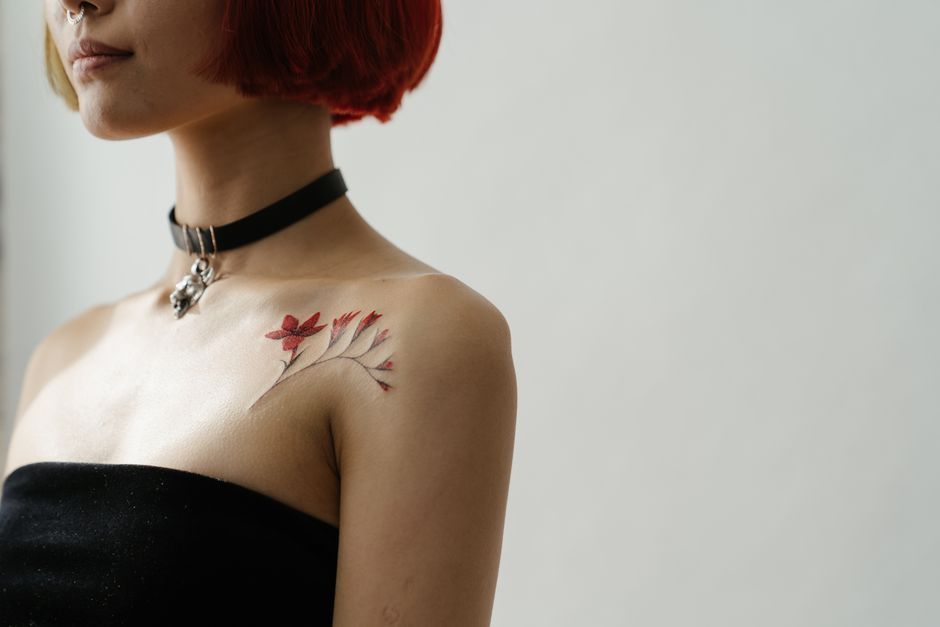
Some subjects suit the watercolour aesthetic better than others. Botanical and floral designs are a natural fit — the organic looseness of flowers and foliage works well with the painting-like quality of the style. Animals, birds, and abstract colour fields can also work beautifully. Very geometric or architectural subjects tend to suit the style less well — the precision required for those designs works against the deliberate looseness that defines watercolour.
Colour choice matters significantly. Warm, bright colours — reds, oranges, yellows — tend to fade faster in skin than cool blues, purples, and greens. If you have specific colour preferences, discuss longevity implications with your artist. A palette that's slightly shifted toward colours that hold better can look just as striking while ageing more gracefully.
Placement and Aftercare
Sun protection is more critical for watercolour tattoos than for most other styles, precisely because the softer colour edges and translucent application are more susceptible to UV fading. SPF 50 on any exposed watercolour work, any time it's in the sun, is non-negotiable if you want the piece to look good long term. Keep it out of direct sun during healing, and commit to year-round SPF protection after healing.
Placements that receive consistent sun exposure — outer forearm, shoulder, upper back above clothing lines — should be approached with this in mind. Inner arm, ribs, thigh, and upper arm placements receive less sun and will typically hold watercolour work better over time.
Frequently Asked Questions
Will my watercolour tattoo always look as vivid as it does fresh?
No tattoo looks exactly the same after healing as it did immediately after the session. Watercolour tattoos, once healed, typically look slightly softer and the colour slightly less saturated than directly after tattooing. This is normal. Long-term, with sun protection, good watercolour work remains visually strong for many years, though the edges will continue to soften gradually over time.
Can watercolour be done without black outlines?
Yes, though pure colour without any black anchoring tends to age less well. Some clients specifically want no black at all; an experienced watercolour artist can work without it but will give you an honest assessment of the longevity implications. Approaches that use very subtle dark anchors (which may not be visible as outlines in the finished piece) are a common way to balance aesthetic freedom with durability.
Is watercolour more expensive than other styles?
The complexity of colour layering and the specialised skill required means many watercolour artists charge similarly to other specialists. Watercolour work also often takes longer than comparable black linework because of the layering involved. Price tends to reflect the artist's level of demand and experience, as with all tattooing.
What's the difference between watercolour and neo-traditional with colour?
Neo-traditional colour work uses strong black outlines and solid, saturated colour fills — it reads as deliberately illustrated. Watercolour aims to avoid the look of defined outlines and create the impression of painted colour rather than filled illustration. The visual difference is significant even when the subject matter overlaps. Neo-traditional colour will age more predictably and hold the distinction between elements better over time.
Interested in watercolour work? Book a consultation at Teddington Ink to discuss the design and longevity with our artists. Our guide to tattoo symbolism may also help if you're still working out what subject matter to use.