What's Actually in Tattoo Ink? The Science and Safety Explained
Most people give considerable thought to the design of their tattoo and rather less to what's actually in the ink going into their skin. That's understandable — the visual result is obviously what draws people in — but understanding tattoo ink ingredients is genuinely useful, both for making informed choices about your body and for understanding why responsible studios care as much about the products they use as the artistry they produce.
The Basic Anatomy of Tattoo Ink
All tattoo inks consist of two main components: pigment and a carrier solution. The pigment is what provides colour and remains in the skin permanently. The carrier is a liquid medium that keeps the pigment evenly suspended, helps it flow through the needle and into the skin, and acts as a mild disinfectant to reduce bacterial contamination during application.
Carrier solutions are typically made from substances like distilled water, ethyl alcohol, witch hazel, or glycerine — generally recognised as safe, non-toxic fluids that the body processes and eliminates. The pigment, which stays behind in the dermis (the second layer of skin, just beneath the outer epidermis), is where the more complex chemistry lives.
This distinction matters because while your body gradually processes and eliminates the carrier fluid, the pigment particles are meant to stay. Your immune system does attempt to clear foreign particles — which is why tattoos can fade over time and why laser removal works — but the bulk of professional tattoo ink pigment remains in the skin indefinitely.
What's in the Pigment?
Historically, tattoo pigments were made from a wide variety of substances — carbon black (from charred wood or bone) for black inks, metal salts for colours, and various organic compounds. Traditional pigment sources included iron oxides for reds and browns, cadmium salts for yellows, chromium oxides for greens, and cobalt blues. Some of these compounds have well-documented toxicity concerns at sufficient exposure levels.
Modern professional tattoo inks have moved substantially toward synthetic organic pigments, many originally developed for the printing and paint industries. These tend to be more stable, produce more consistent colours, and have generally better safety profiles than older heavy-metal-based pigments — though it's not accurate to describe all of them as completely without concern either.
Black inks deserve particular mention because they're by far the most commonly used. Most professional black tattoo inks are carbon-based — essentially very fine carbon particles suspended in carrier fluid — which have a long history of use and a relatively well-understood safety profile. Concerns about black ink primarily relate to the potential for very fine particles to migrate through the body, which is an area of ongoing research.
EU Regulations and What Changed in 2022
In January 2022, the European Union introduced significant restrictions on tattoo ink ingredients under REACH (Registration, Evaluation, Authorisation and Restriction of Chemicals) regulations. These regulations banned or restricted hundreds of substances in tattoo inks, including several pigments that had been widely used, notably certain blue and green pigments (Pigment Blue 15 and Pigment Green 7) which were subsequently given extended use periods while alternatives were developed.
The UK largely retained these regulations post-Brexit via UK REACH, meaning that reputable UK tattoo studios operating in good faith are working within one of the world's most stringent regulatory frameworks for tattoo ink safety. This matters: studios using compliant inks from reputable suppliers are operating with significantly more scrutiny on their products' ingredients than was the case even five years ago.
If you're concerned about specific ingredients — whether because of allergies, pregnancy, or personal preference — asking your studio which brands of ink they use and checking whether those brands publish their formulations and compliance documentation is entirely reasonable. Reputable ink manufacturers increasingly provide this information transparently.
Allergic Reactions and Skin Sensitivities
Allergic reactions to tattoo ink do occur, though they're relatively uncommon in people without prior sensitivities. Red pigments have historically been associated with the highest rate of reactions, partly because many red inks contained mercury-based cinnabar in the past (now largely eliminated from professional inks) and partly because certain synthetic red pigments can cause delayed hypersensitivity reactions in some people.
Reactions can appear immediately — redness, raised skin, itching — or can develop weeks or even years after the tattoo was applied. If you have known skin sensitivities, allergies to metals, or a history of reactions to cosmetics or hair dyes, informing your tattooist before your session allows them to advise on the inks they use and whether a patch test is warranted.
Proper aftercare significantly reduces the risk of irritation that might be mistaken for an allergic reaction. Following the guidance in our complete tattoo aftercare guide is the best baseline you can give yourself for a clean heal.
Vegan Tattoo Inks
Not all tattoo inks are vegan. Some formulations historically used bone char in black pigments, shellac as a binding agent, or glycerine derived from animal fat in carrier solutions. If this matters to you, it's worth specifically asking your studio whether they use vegan-certified inks — many progressive studios now stock them exclusively or on request.
Vegan inks have improved dramatically in quality and the colour range available, so choosing them is no longer a compromise on the finished result. At a good studio, the visual outcome of vegan ink work is indistinguishable from conventional formulations.
What You Can Reasonably Expect From a Reputable Studio
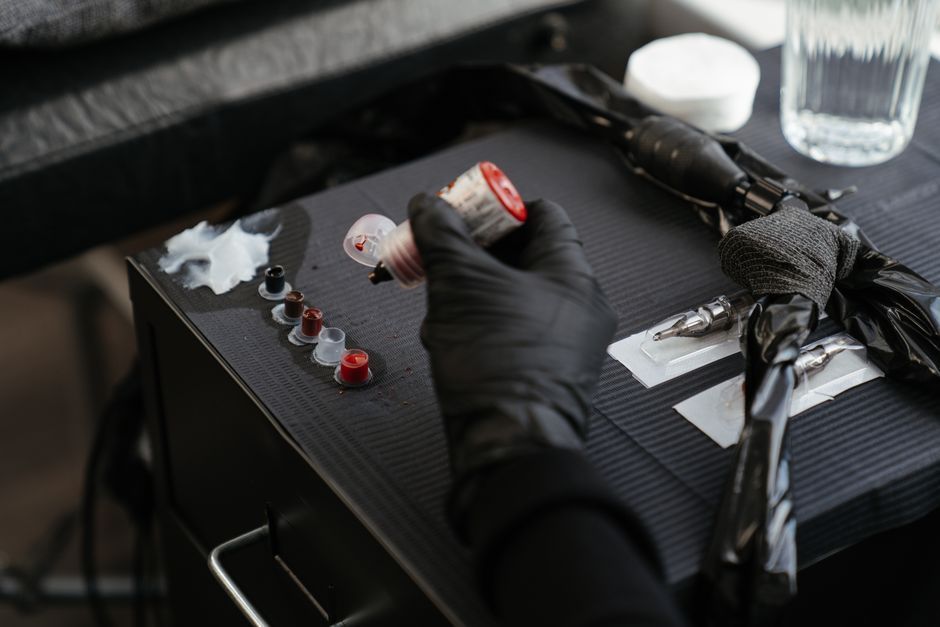
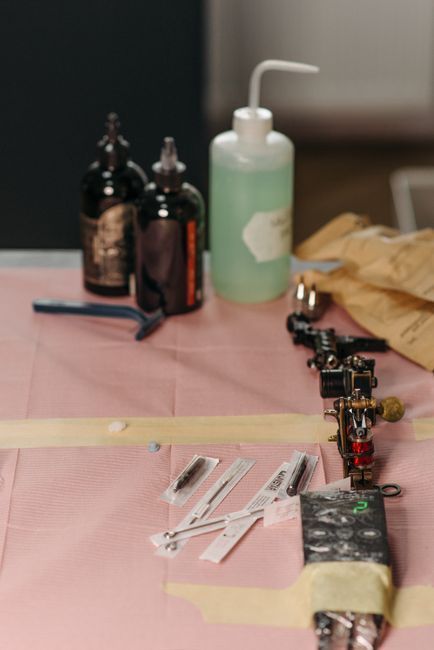
A reputable studio will use professional-grade inks from established manufacturers with documented compliance records, not cheap bulk-imported alternatives of unknown composition. They'll have single-use, pre-sterilised ink caps that are discarded after each client rather than topping up a communal pot. And they'll be happy to answer questions about the products they use — if a studio gets defensive about this, that's worth noting.
At Teddington Ink, we use professional ink brands with full regulatory compliance and are happy to discuss our product choices with any client who asks. If you have specific concerns or requirements, get in touch or book a consultation and we'll make sure we can accommodate your needs before you sit down.
Frequently Asked Questions
Is tattoo ink FDA-approved?
In the UK, tattoo inks are regulated under UK REACH rather than the FDA (which is a US body). UK REACH restricts specific harmful substances in tattoo inks. There is no formal "approval" process equivalent to pharmaceutical regulation, but reputable inks from established manufacturers comply with current restrictions and typically undergo independent testing.
Can tattoo ink cause cancer?
This is an area of active research. Some pigments used historically in tattoo inks contained compounds with known carcinogenic potential. Modern professional inks use refined formulations with much lower exposure levels. Current scientific consensus is that well-regulated professional tattoo inks do not present a significant cancer risk, though long-term studies are ongoing. Choosing a reputable studio using quality inks is the sensible precaution.
Do tattoos affect MRI scans?
Some older inks containing metallic compounds could cause minor heating or discomfort during an MRI. This is uncommon with modern professional inks. Always inform your MRI technician that you have tattoos — they're familiar with this and will advise if anything requires attention.
Are white ink tattoos safe?
White inks typically use titanium dioxide as their pigment, which is generally considered safe. However, white ink heals unpredictably and often fades or yellows more rapidly than other colours. Some people experience raised skin texture with white ink. It's worth discussing realistic expectations with your artist before choosing white-only designs.
How do I know if my studio uses quality ink?
Ask directly which brands they use and look those brands up — reputable manufacturers publish their formulations and compliance documentation. A good studio will answer this question without hesitation. Book a consultation at Teddington Ink if you'd like to discuss our specific products and approach.