The Complete Tattoo Aftercare Guide
How you look after a new tattoo in the days and weeks after your session has a direct impact on the quality of the healed result. The same design, executed by the same artist, can heal brilliantly or poorly depending on aftercare. Understanding why each step matters — not just following a list — makes it much easier to actually do it right.
The First 24 Hours: Wrap, Clean, Protect
Your artist will cover your fresh tattoo before you leave the studio. What that covering looks like has changed significantly in recent years: traditional cling film is increasingly being replaced by second-skin dressings — a breathable, transparent film that adheres directly to the tattoo and keeps it moist while blocking bacteria. If you leave with a second-skin dressing, you can typically keep it on for 24–72 hours (follow your artist's specific guidance). If you have cling film, remove it after 2–4 hours, wash the tattoo gently, and keep it uncovered.
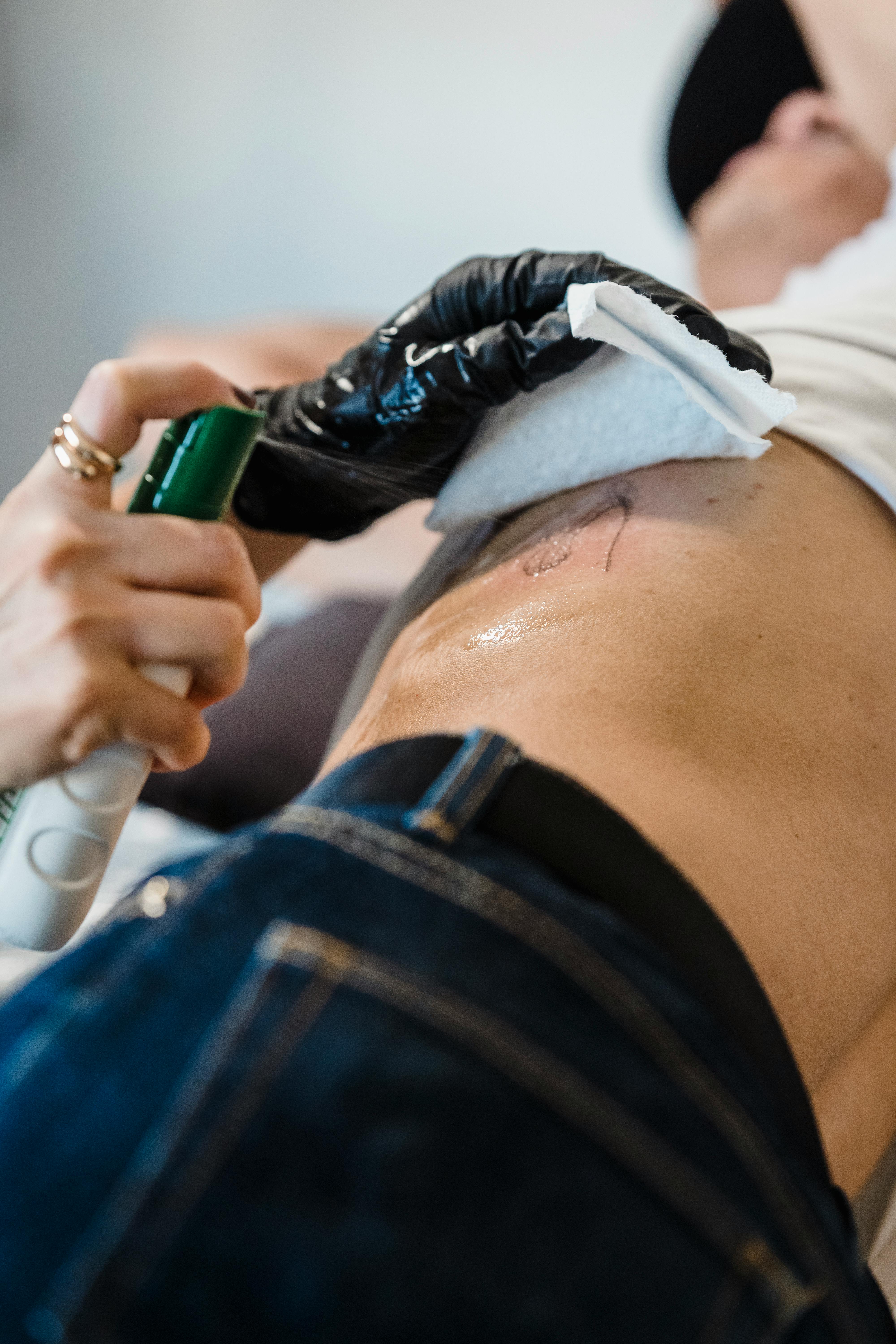
When you first remove the covering, the tattoo will have plasma and ink residue on it — wash this off with clean, lukewarm water and a very small amount of unscented liquid soap. Use your hand only — no cloths or sponges. Pat completely dry with a clean paper towel (not fabric, which can leave fibres). Do not re-wrap after the first wash unless your artist specifically advised it.
For the first night, wear loose clothing over the tattooed area if possible. Fresh tattoos can transfer ink onto bedding — put down a dark sheet or a clean old towel if you're worried.
Days 2–7: The Dry and Tight Phase
After the first 24 hours, the tattoo begins to dry out and form a very thin layer over the surface. It may feel tight, slightly raised, and itchy — all completely normal. The skin is doing what it's supposed to do. During this phase, a thin layer of unscented moisturiser two to three times a day helps prevent excessive dryness and cracking, which can pull ink out of the skin.
Use a very small amount — less than you think you need. Products like unscented Bepanthen, Hustle Butter, or plain coconut oil work well. Heavily fragranced lotions, petroleum jelly in large quantities, and anything containing alcohol should be avoided. Keep applications thin enough that the skin can still breathe.
Keep the tattoo clean during this phase: a gentle wash once or twice a day is sufficient. Don't pick at any dry flaking — the temptation is strong, but pulling off dry skin before it's ready can remove ink and cause patchy healing.
Days 7–21: The Peeling Phase
Most tattoos begin to peel visibly somewhere between days five and ten. The skin sheds in light flakes — this is the outermost layer of skin that was worked through during tattooing. The tattoo may look dull, cloudy, or patchy during this phase. This is entirely normal and temporary. The true healed colour will emerge once all the shedding is complete.
The biggest mistake during this phase is over-moisturising. Applying too much product traps moisture under already-shedding skin, which can lead to soggy peeling and, in the worst cases, delayed healing or minor infection. Thin applications, clean hands every time, and leaving the tattoo alone as much as possible is the best approach.
What to Avoid Throughout Healing
Several things will interfere with healing and should be avoided until the tattoo is fully settled — typically four to six weeks from the session date:
Sun exposure: UV light breaks down tattoo pigment and is the single biggest cause of premature fading. Keep the tattoo out of direct sun while healing, and use a high-SPF sunscreen on it long-term once healed. Swimming: Pool water contains chlorine; open water contains bacteria. Both can cause infection in a fresh tattoo and affect how the ink settles. Wait until fully healed. Soaking: Long baths, hot tubs, saunas — all soak the skin in ways that can cause ink to migrate or lift. Brief showers are fine. Tight clothing: Friction from tight fabric over a healing tattoo disrupts the surface and can pull ink. Scratching: If it itches, press gently — never scratch.
Signs of Normal Healing vs Signs of a Problem
Normal: redness and swelling for the first 48 hours, mild itching as it dries, flaking and peeling from days 5–14, a milky or slightly dull appearance during healing, occasional dry patches. See your artist or GP if: you have spreading redness that's hot to touch, green or yellow pus with an unpleasant smell, swelling that worsens after the first few days, fever, or pain that intensifies rather than diminishes. Genuine tattoo infections are not common when proper aftercare is followed, but they do occur and should be treated promptly.
Long-Term Care: Keeping Your Tattoo Looking Its Best
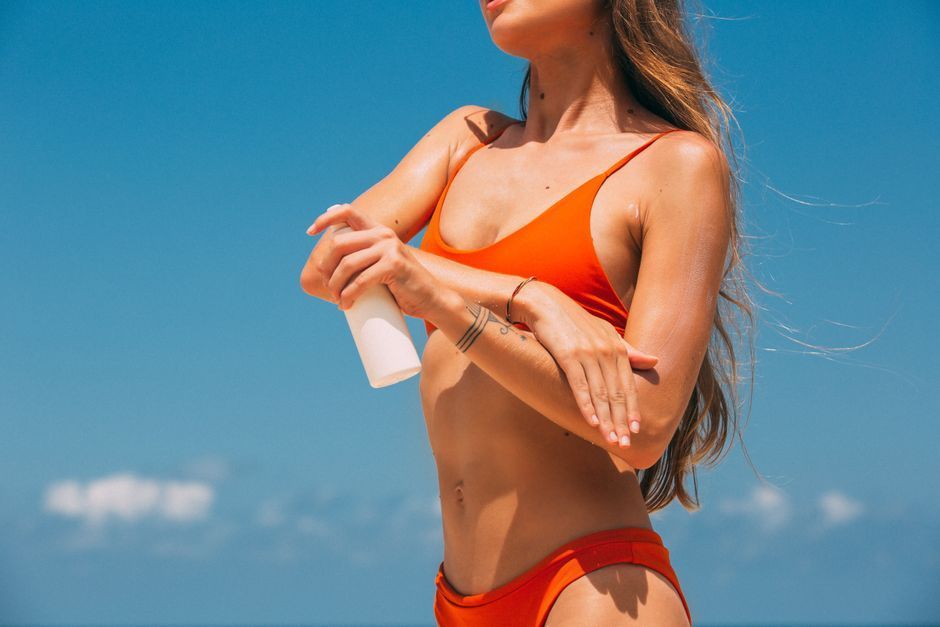
The healing phase is the critical window, but long-term habits affect how your tattoo looks in five and ten years. Sun protection is the single most important long-term aftercare step — UV is the primary cause of tattoo fading. Apply SPF 50 sunscreen to tattooed skin whenever it's exposed to sun, even on overcast days. Keeping skin moisturised year-round maintains skin health and helps ink look saturated. Staying hydrated, maintaining a healthy weight (significant weight changes affect skin elasticity and thus the appearance of tattoos), and avoiding excessive sun exposure collectively have more long-term impact than any cream or product.
Frequently Asked Questions
When can I go swimming after a tattoo?
Wait until the tattoo is fully healed — typically four to six weeks after your session. Do not swim in pools, the sea, rivers, or lakes while healing. The combination of bacteria and chemical exposure significantly increases infection risk and can affect how the ink settles.
Why is my healed tattoo patchy?
Patchiness after healing is usually caused by over-moisturising, picking at peeling skin, or friction. In most cases a touch-up will correct any gaps. Wait until the tattoo is fully healed (minimum eight weeks) before assessing, since the healed colour looks quite different from the day-one appearance.
Can I exercise after getting a tattoo?
Light walking is fine. Intense exercise that causes heavy sweating, friction over the tattooed area, or muscle expansion near the tattoo (which stretches the skin) should be avoided for the first two weeks. Sweat carries bacteria that can affect a fresh tattoo, and friction from gym equipment or tight sportswear can disrupt healing.
What moisturiser should I use?
Unscented, fragrance-free, gentle moisturisers are best. Good options include Bepanthen nappy rash cream, unscented Lubriderm, Hustle Butter, or simple coconut oil. Avoid anything with fragrance, alcohol, or active ingredients (retinol, acids, etc.) on a healing tattoo.
Questions about your healing tattoo? Get in touch with us at Teddington Ink — and if you're preparing for your first session, read our full preparation guide for everything you need before you arrive.