Best Tattoo Styles: A Guide to Every Major Aesthetic
One of the most common challenges people face when planning a tattoo is knowing how to describe what they want. You might see something on Instagram that instantly resonates — but not know what it's called, what it involves, or whether it'll suit your body and skin tone. This guide breaks down every major tattoo style so you can identify what you're drawn to and have a productive conversation with an artist about what's possible.
Traditional (Old School)
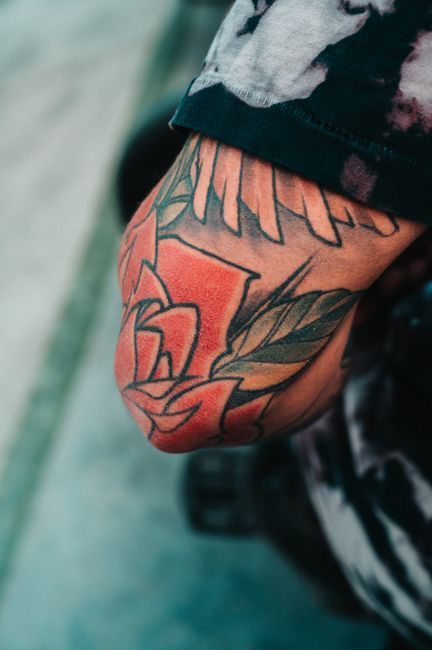
Traditional tattooing is the foundation of Western tattooing — bold black outlines, limited but saturated colour palettes (red, yellow, green, blue), and iconic subject matter: anchors, roses, eagles, daggers, hearts, swallows. The style has its roots in early 20th century American and European maritime tattooing. What makes traditional distinctive isn't just the look — it's the longevity. Bold lines and solid colour hold better than almost any other style, which is why well-executed traditional tattoos from decades ago still look strong today. If you want something that will look as good in 20 years as it does now, traditional is one of the safest choices.
Neo-Traditional
Neo-traditional takes the bold linework and saturated palette of traditional tattooing and expands it: more complex designs, more varied colour, more illustrative detail, and more diverse subject matter — realistic animals, botanical illustration, portraits, landscapes. The defining characteristic is still the strong outline and a slightly heightened, illustrative aesthetic that gives it visual weight. Neo-traditional is arguably one of the most versatile contemporary styles, capable of handling everything from whimsical characters to dark, dramatic compositions.
Fine Line
Fine line tattooing uses single or small-grouping needles to create delicate, precise designs with very thin lines and subtle detail — botanical illustration, minimal geometric forms, script, and intricate linework. The aesthetic is refined and delicate. Fine line work ages differently from bold styles — thinner lines have less ink in the skin and fade more over time, particularly with sun exposure. A specialist with a portfolio predominantly of fine line work is essential. See our full fine line guide for everything to consider before booking.
Blackwork
Blackwork uses only black ink — no colour, no greywash — but within that constraint covers a vast range of aesthetics: solid black fill, geometric pattern, illustrative linework, dotwork, and negative space design. It's one of the most universally aging styles, works across all skin tones, and is the most effective approach for cover-up work. Blackwork is experiencing an ongoing renaissance in contemporary tattooing, with artists pushing the style in increasingly sophisticated directions.
Japanese / Irezumi
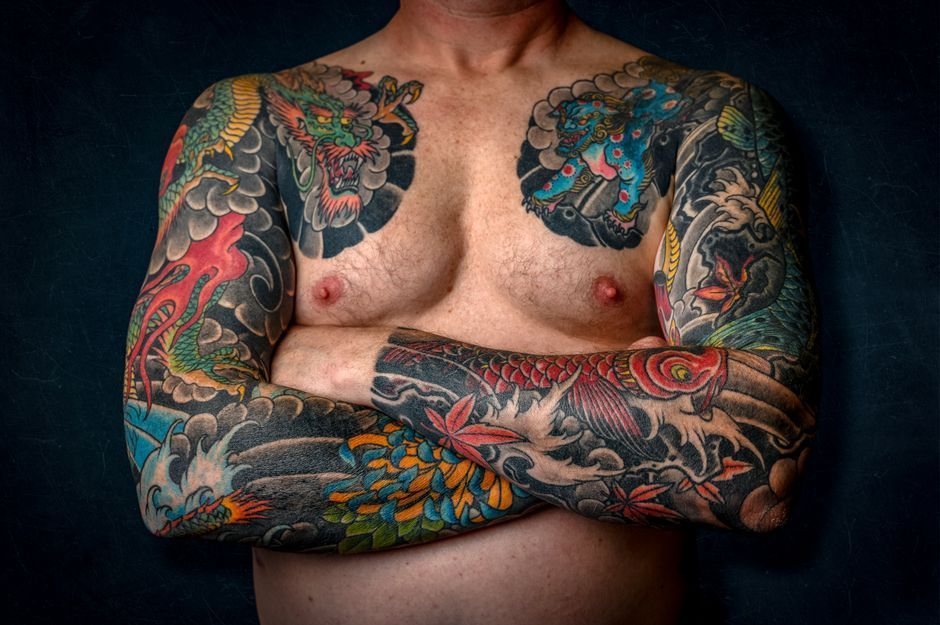
Japanese tattooing (Irezumi) is one of the most distinctive and technically demanding styles in the world — bold outlines, a specific traditional colour palette, iconic subject matter (koi, dragons, tigers, chrysanthemums, waves, phoenixes), and a compositional logic that treats the body as a complete canvas. True Japanese tattooing has deep cultural roots and a specific set of conventions that experienced artists working in the style understand and respect. Body flow — how design elements wrap and interact with body contours — is fundamental to the style. Not all artists have the specific training to do Japanese work justice; look for portfolios where the compositional logic is clearly understood, not just the subject matter.
Realism and Portraiture
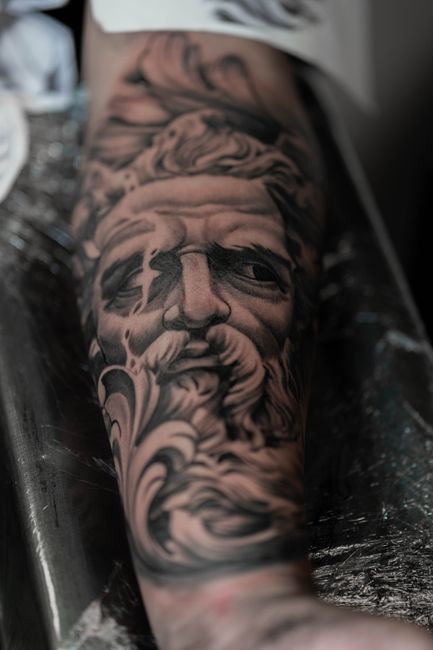
Realism aims to replicate photographic imagery on skin — portrait work, animals, objects, landscapes rendered with dimensional shading and no outline. It's technically one of the hardest styles to execute well, requiring a specific skill set around tonal rendering and depth. The quality gap between skilled and unskilled realism artists is very large and very visible. Always ask to see healed examples of realism work specifically — fresh realism can look impressive before settling, and healed results are the true test of quality.
Watercolour
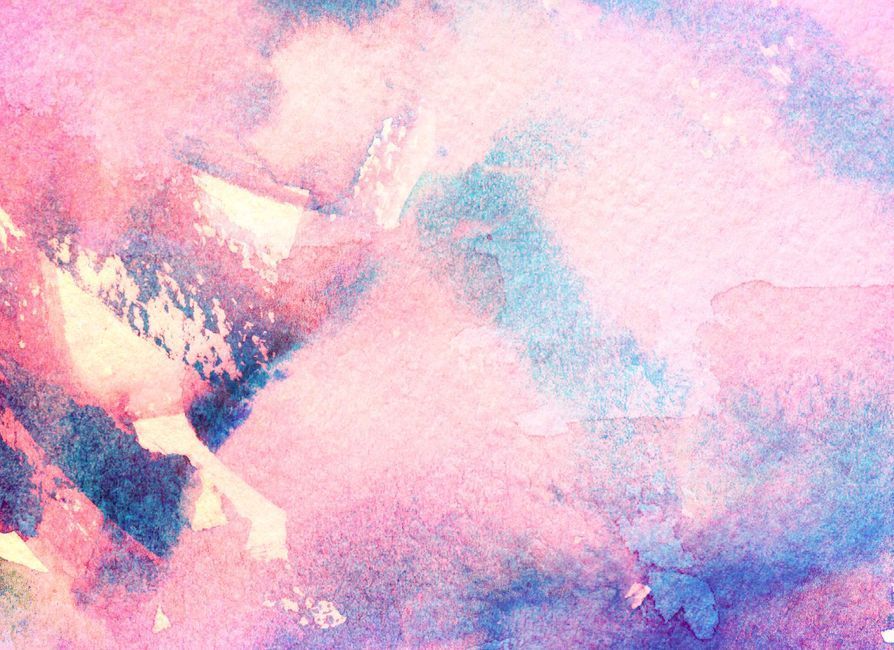
Watercolour tattoos mimic the loose, flowing, paint-wash quality of watercolour painting — loose colour, deliberate "imprecision," soft edges, colour bleeding intentionally. Done well by a specialist, the results are visually striking. The longevity concern is real: the deliberate softness of the style means edges and colour bleeds further and faster than bold linework. Most experienced watercolour artists anchor the colour with underlying structure that helps it hold over time, but it's worth understanding the long-term maintenance expectations before committing.
Frequently Asked Questions
How do I know which style is right for me?
Start by collecting images that appeal to you without trying to categorise them. After 10–20 images, patterns usually emerge — you'll notice you keep returning to a particular visual weight, colour palette, or subject approach. That pattern tells you more than trying to pick a style from a list. Bring those images to a consultation and let an artist help you identify what unifies them.
Can I mix tattoo styles?
You can, and many clients have work in multiple styles across their bodies. What requires more care is mixing styles within a single piece, or placing incompatible styles immediately adjacent to each other. Styles that share similar visual weight (traditional and neo-traditional, for instance) sit together naturally; pairing fine line and bold traditional directly adjacent can look incongruous. An artist experienced in both styles can help you think through how to bridge them if needed.
Which style ages the best?
Bold traditional and blackwork age the most reliably — both rely on strong linework and dense ink that holds well over decades. Fine line, watercolour, and very light realism age more quickly, particularly on high-sun-exposure placements. Sun protection is the most significant long-term maintenance factor for any style.
Does my skin tone affect which style works best?
Yes. Colour tattooing is most vibrant on pale skin tones and becomes progressively harder to achieve on darker skin. Bold blackwork reads clearly on all skin tones. Fine line on very dark skin can be difficult to read. On deeper skin tones, an artist experienced with tattooing those tones specifically is essential — techniques differ. Ask to see their portfolio work on skin tones similar to yours.
Not sure which style fits your vision? Book a consultation at Teddington Ink — we'll help you identify the right aesthetic and artist for what you have in mind.