Fine Line Tattoos: Everything You Need to Know
Fine line tattooing has become one of the dominant aesthetic movements in contemporary tattooing — driven by social media, increasingly precise machine technology, and a generation of artists who trained specifically in the style. But "fine line" is also one of the most misunderstood styles in terms of what it demands technically and what clients should realistically expect from it long-term. This guide covers everything you need to make an informed decision.
What Fine Line Tattooing Actually Is
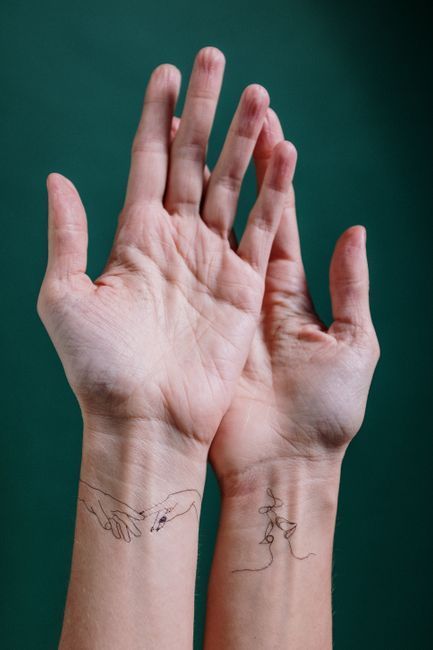
Fine line tattooing uses very thin needles — typically single needles or very small groupings — to create designs with minimal line weight. The effect is delicate, precise, and intricate: botanical illustrations, script, minimal geometric forms, single-needle portraiture, linework that approaches the look of pencil drawing or engraving on skin. The defining characteristic is contrast through detail rather than through bold solid shapes or heavy black fill.
Fine line work done well is genuinely extraordinary — it achieves visual complexity through precision that bolder styles can't. Done poorly, it looks scratchy, uneven, and heals with blurred or inconsistent linework. The quality gap between a skilled fine line artist and someone attempting the style without adequate training or equipment is very large — larger than in most other tattoo styles.
The Technical Demands
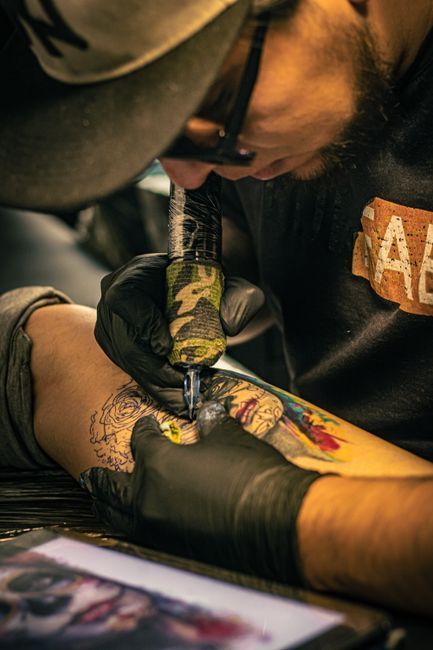
What makes fine line tattooing so technically demanding is the margin for error. A single-needle line is about as thin as a line can get in tattooing. To make that line consistent, smooth, and correctly placed requires precise machine control, a steady hand, correct speed, and an intimate understanding of how different skin types respond to that level of work. Go too fast and the line is faint and patchy; too slow and the skin overworks. The depth has to be exactly right — too shallow and the ink doesn't stay; too deep and lines bleed and blur.
This is why finding a specialist is non-negotiable for fine line work. Any competent artist can execute a bold traditional tattoo with reasonable consistency. Fine line work done to a high standard requires specific training, practice, and often thousands of hours of work in that specific style.
The Longevity Reality
Fine line tattoos age differently from bolder work. Very thin lines have less ink in the skin, which means they're more susceptible to fading over time — particularly from sun exposure. Single-needle work on high-sun-exposure placements (outer forearm, wrist, shoulder) can fade noticeably within five years without diligent sun protection. The thinnest elements fade first; heavier linework within the same design holds better.
This isn't a reason not to get fine line work — it's a reason to go into it informed. Good long-term maintenance of fine line tattoos means: consistent SPF 50 on exposed areas, avoiding prolonged sun exposure, staying hydrated, and having a touch-up if and when specific elements need refreshing. Artists who are honest about fine line longevity aren't talking the style down — they're giving you the information you need to protect your investment.
Designs That Work in Fine Line
Fine line handles certain subjects exceptionally well. Botanical illustration — flowers, leaves, branches, plants — suits the style because the organic delicacy of the subject matches the delicacy of the technique. Script and lettering in fine line can be beautiful, though longevity of very thin letterforms is a genuine concern (bold letter styles hold longer). Geometric forms in fine line — particularly in dotwork — can be extraordinary. Architectural illustration, fine-detail animals, and abstract linear designs all work well.
Portraiture done in single-needle fine line is one of the most technically demanding forms of tattooing that exists — it can produce stunning results in the right hands, but it requires an artist with a very specific, practiced skill set. Don't book portrait work with a fine line artist whose portfolio doesn't include strong portrait examples.
Designs That Don't Work in Fine Line
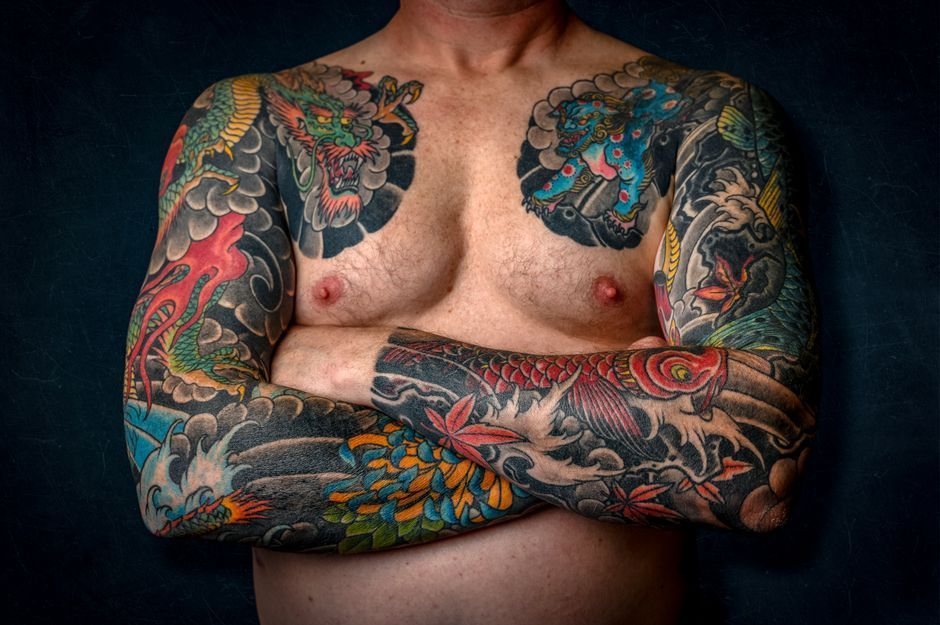
Subject matter with inherently bold visual weight — traditional flash, large graphic designs, design elements that rely on solid black fill for impact — doesn't benefit from being executed in fine line. The style serves design language that is genuinely delicate. Trying to apply fine line technique to a subject that wants to be bold typically produces something that looks weak or unintentional rather than refined.
Aftercare for Fine Line Work
Fine line tattoos are somewhat more sensitive during healing than bolder work, simply because the needle is creating less overall trauma to the skin — the healing window is similar, but the result is more fragile in the early stages. Minimal moisturiser (thin applications only), avoiding sun during healing, and being particularly careful not to scratch or pick are important. Keep it clean, keep it out of the sun, and don't rush the process.
Frequently Asked Questions
How do I find a genuine fine line specialist?
Look for artists whose portfolio consists predominantly of fine line work — not a broad generalist with a few fine line pieces among other styles. Ask to see healed examples specifically. Assess whether the lines are clean and consistent, whether the design reads well at actual size (not just zoomed in on Instagram), and whether the work in the portfolio is at a consistent level across many pieces.
Will my fine line tattoo look the same in 10 years?
Probably not exactly the same — fine lines do soften over time. But with good aftercare, consistent sun protection, and appropriate placement, strong fine line work holds well for many years. Dramatic fading is typically a result of poor aftercare, excessive sun exposure, or work done too shallow. A touch-up at the five to ten year mark is normal for fine line work that has received heavy sun exposure.
Is fine line more expensive than other styles?
Skilled fine line artists typically charge similarly to other specialist tattooists. Very high-demand fine line artists with large followings may charge premium rates. The price reflects the skill level, time, and demand — as with any tattooing. Going to the cheapest option for fine line work specifically is one of the higher-risk choices in tattooing.
Can fine line be done in colour?
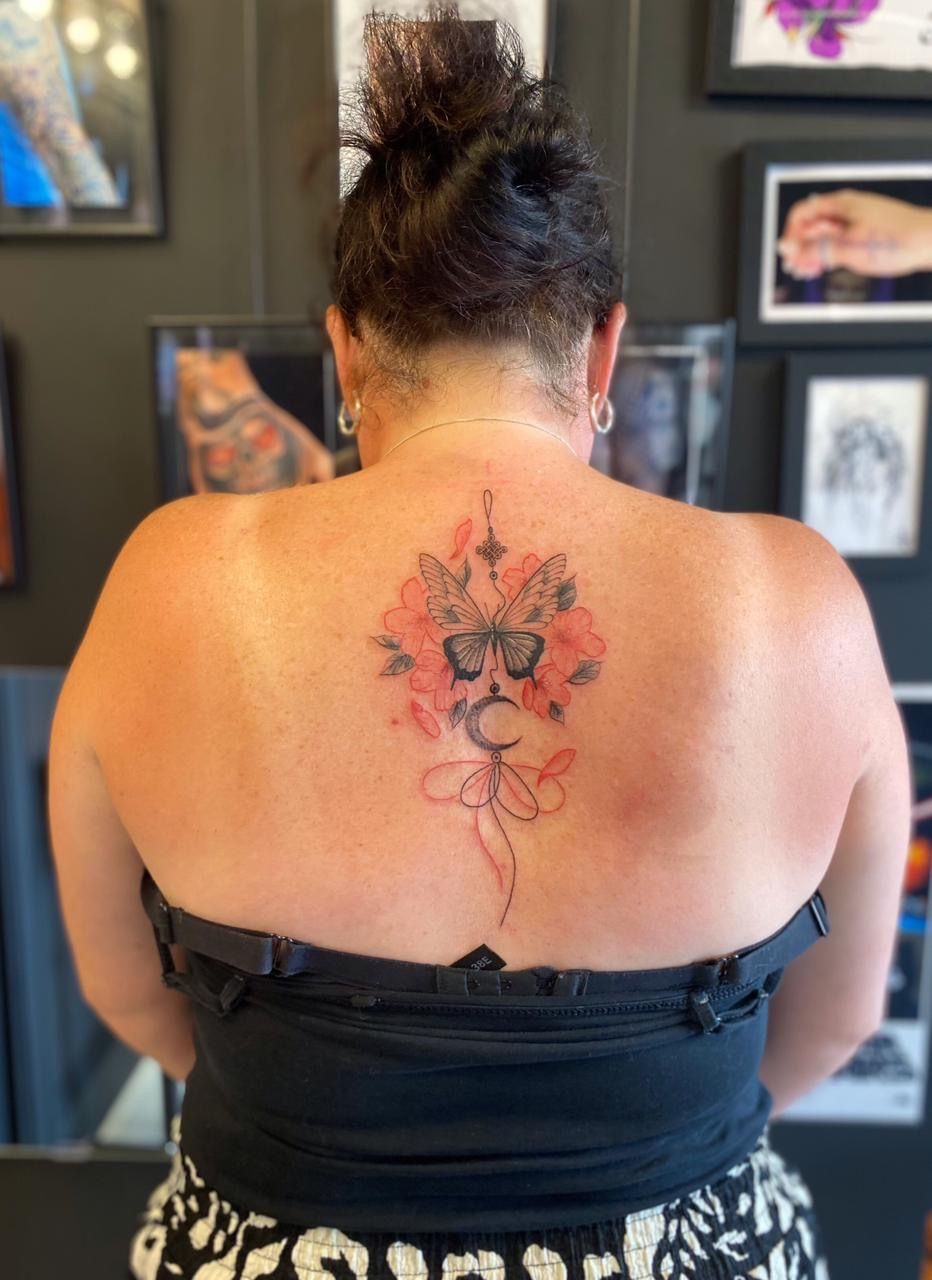
Yes. Subtle colour in fine line work — muted tones, watercolour-adjacent washes, selective colour accents — can be beautiful. Saturated bright colour in very fine linework is harder to execute and ages less predictably. Discuss colour choices with your artist before the session.
At Teddington Ink, fine line work is a core speciality. Book a consultation to start discussing your design, or read our guide on how to find the right artist to make sure you're choosing the right person for the work.