Tattoo Placement: How to Choose the Best Spot for Your Tattoo
Where you put a tattoo matters as much as the design itself. Placement determines how the piece looks on the body, how it heals, how much it ages over time, and how much of your day-to-day life it intersects with. A well-placed tattoo works with the natural contours and movement of the body; a poorly placed one can look awkward even if the design itself is excellent. Here's what to consider before you commit to a spot.
Why Placement Is a Creative Decision, Not Just a Practical One
The best tattoos are placed intentionally — the artist considers how the design flows with the body's natural lines, how it relates to any existing work, and how it'll look in motion as well as at rest. Placement is part of the composition. A design that works beautifully on the outer forearm might not translate to the ribs because the shape of the ribcage changes how it reads. This is one of the most important reasons to book a consultation before committing to placement — an experienced artist will have views on where a specific design will live best.
Placements That Age the Best
Some areas of the body hold tattoos better over the long term than others. The key factors are sun exposure, friction, and how much the skin stretches or moves. Areas that receive less sun, less friction, and don't stretch dramatically with weight change tend to hold the sharpest ink the longest.
The best-ageing placements include: upper arm and shoulder (protected from sun, good muscle structure underneath), upper back and shoulder blades (large flat canvas, low sun exposure), upper chest (relatively stable), thigh and calf (well-padded, lower sun exposure). These areas tend to remain crisp over many years with normal skin care and sun protection.
Placements That Need Special Consideration
Some placements are popular but come with considerations your artist should be honest with you about:
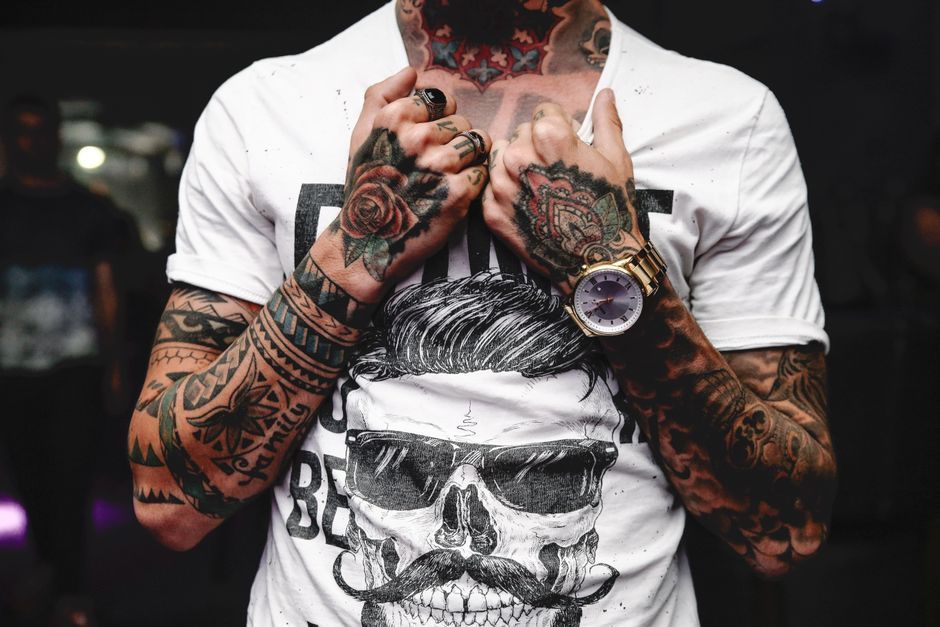
Hands and fingers: High-friction, high-sun areas that fade faster than almost anywhere else. The skin also flexes with every movement. Artists who are honest about hands will discuss this with you — it doesn't mean hands are off-limits, but they require specific design choices and realistic expectations about longevity.
Feet: Similar to hands — thin skin over bone, high friction from footwear, difficult to keep elevated during healing. They also tend to peel more dramatically.
Ribs and sternum: These age reasonably well from a sun-protection standpoint, but significant weight changes can affect how the design reads as the skin changes. They're also among the most painful placements.
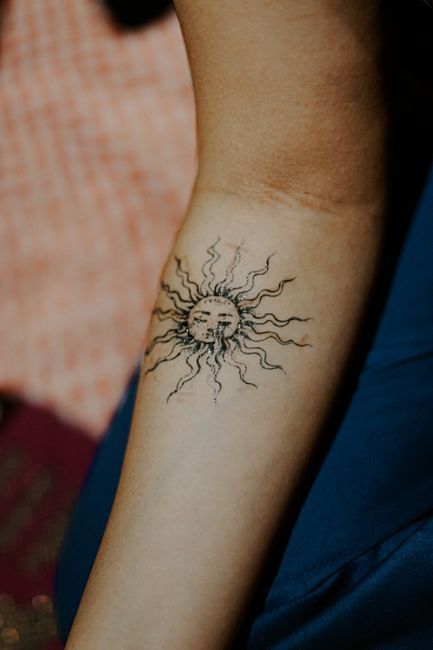
Inner wrist and forearm: Sun exposure is the main concern — skin facing the sun needs consistent SPF protection to avoid premature fading.
Visibility and Everyday Life
Consider when and how the tattoo will be visible — and to whom. This isn't about hiding anything; it's about making a considered decision you'll be comfortable with in all the contexts of your life. A forearm piece is visible most of the time in professional settings; an upper arm piece disappears under a suit jacket; a calf piece is visible in summer and hidden in winter. None of these is the right or wrong answer — they're just different outcomes with different implications.
If you're in a profession where visible tattoos are still uncommon or potentially problematic, considering placement relative to your work dress code is sensible. The trend is clearly toward broader acceptance, but this remains context-specific.
Size and the Body as a Canvas
Scale has to match placement. A small design on a large, flat canvas (like the thigh or back) can look isolated and unintentional; the same design on the inner wrist or behind the ear might be perfectly proportioned. Conversely, a large complex design forced into a small or curved space loses detail and readability.
A useful question to bring to your consultation is: "What size do you think this design needs to be in this placement?" Your artist's answer — and the reasoning behind it — is one of the most valuable pieces of guidance they can offer. The most common regret in tattooing is going too small.
Placement Relative to Existing Tattoos
If you have existing work, or are planning future pieces, placement decisions become more interconnected. Thinking about a tattoo as part of a larger composition — how it relates to work that's already there, or work you might want later — is a longer-term consideration worth having. Artists who do larger body-suit scale projects often plan years ahead; even if you're not planning that much coverage, thinking about flow and relationship between pieces saves awkward gaps or forced fill-work later.
Frequently Asked Questions
Can I choose any placement I want?
Largely yes, though a good artist will give you honest feedback if your choice creates technical or longevity challenges. Some artists have personal policies around certain placements (hand and face tattoos in particular) if they don't feel a client is fully informed about what those placements involve. This is professional care, not a refusal — it's worth listening to.
Does placement affect healing time?
Yes. Areas with more movement (hands, feet, joints) and areas subject to more friction (waistbands, bra straps, sock lines) tend to heal more slowly and with more disruption. Areas that get more sun exposure need more careful aftercare to avoid fading during the healing window.
What's the most painful placement?
Ribs, spine, sternum, inner elbow, knee ditch, hands, feet, and head/face consistently rank as the most intense. Outer arm, thigh, calf, and shoulder are consistently the most comfortable. Pain varies by individual but the relative ranking is fairly predictable. Read our full pain guide for more detail by placement.
Can placement make a design look bigger or smaller?
Yes, significantly. Dark clothing and body context both affect perceived size. The curve of a limb makes a design look different than the same design on a flat back panel. Placing a design against natural body lines — using them as a frame or reference — tends to make it look more intentional and well-integrated. Your artist will think about all of this during the design and stencil process.
Placement questions are one of the best things to bring to a consultation — it's exactly the kind of decision where an artist's expertise adds the most value. Book in with one of our artists at Teddington Ink to start the conversation.