Piercing Healing Timeline: What to Expect Week by Week
Piercing healing is not a single process — it varies dramatically depending on where on the body you've been pierced, how well you look after it, and how your individual body heals. An earlobe piercing might be fully healed in six to eight weeks. A cartilage piercing can take anywhere from six months to over a year. Understanding what's actually happening beneath the surface, and what normal healing looks like at each stage, makes a significant difference to both your experience and your results. This is the complete timeline, broken down by piercing type and week by week.
How Piercing Healing Actually Works
Every piercing goes through the same three biological stages, regardless of where it's located. The inflammatory phase begins immediately after you're pierced and typically lasts one to two weeks. During this phase, your body treats the fresh wound as an injury — blood vessels dilate, white blood cells flood the area, and you'll notice swelling, redness, heat, and tenderness. This is completely normal and is your immune system doing exactly what it should.
The proliferative phase follows, and this is where the real healing happens. Your body starts building new tissue around the jewellery, forming a fistula — the tube of skin that eventually makes the piercing permanent. This phase can last weeks for lobes and many months for cartilage. During this time you'll notice reduced swelling, a return to normal skin colour, and regular crusting as your body sheds debris.
The maturation phase is the final stage, where the fistula hardens and the piercing truly settles. Even when a piercing looks healed on the surface, this internal process may still be ongoing. Rushing jewellery changes or abandoning aftercare too early during this phase is the most common cause of problems that appear long after the initial healing seems complete.
Earlobe Piercings: Week by Week
Earlobes are the easiest piercing to heal — they have a good blood supply and relatively low-stress tissue. Here's what to expect at each stage:
- Week 1–2: Swelling, tenderness, and redness are normal. Some clear or pale yellow discharge is expected. The jewellery may feel tight. Do not rotate it — this damages the forming tissue.
- Week 3–4: Swelling should reduce noticeably. Crusting around the jewellery is normal — it's dried lymph fluid, not a sign of infection. Gently clean it away; don't force or pick it.
- Week 5–6: Most lobes will feel comfortable and look healed on the surface. The internal fistula is not yet complete.
- Week 8–12: The piercing is typically considered healed. You can change jewellery now — but have the first change done by a professional to avoid damaging the new tissue channel.
Even at the 12-week mark, treat the piercing with care. Changing to heavy earrings too soon, sleeping directly on the piercing, or allowing it to be pulled repeatedly can set healing back significantly.
Cartilage Piercings: A Longer Journey
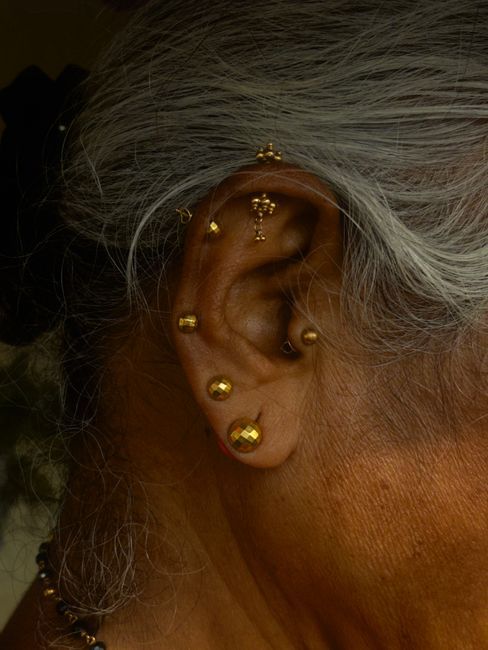
Helix, daith, tragus, conch, rook, industrial — cartilage piercings are increasingly popular, but they require a completely different level of patience than lobe piercings. Cartilage has a much lower blood supply than soft tissue, which means healing is significantly slower. Most cartilage piercings take a minimum of six to nine months to fully heal, and many take twelve months or more.
The timeline for cartilage looks similar to lobes in the early weeks — swelling, redness, crusting — but it persists for much longer and can be more dramatic. A helix piercing that's been knocked or slept on can swell significantly even weeks into healing. Cartilage is also more prone to developing hypertrophic scarring (raised scar tissue) if irritated repeatedly, which is why consistent aftercare throughout the full healing period is essential, not just the first few weeks.
A useful rule of thumb: plan to see the piercing looking and feeling mostly settled at around the six-month mark, but treat it with care until the twelve-month point. Never change cartilage jewellery yourself within the first year — always have it done by your piercer, who can assess whether the tissue is genuinely ready.
Nose and Septum Piercings
Nostril piercings typically heal in three to six months. The nostril has a reasonable blood supply but is constantly exposed to movement — every time you smile, sneeze, or blow your nose, the piercing is slightly disturbed. This makes the healing process more sensitive than the timeline might suggest. Avoid blowing your nose vigorously during the first few weeks and be careful with glasses frames that press on the area.
Septum piercings are one of the faster-healing face piercings, typically four to six months, because they pass through soft tissue at the base of the septum rather than through cartilage. For most people, the septum is a surprisingly comfortable piercing to heal. One important note: always use a piercing-specific aftercare spray for nose piercings rather than a home-mixed saline solution, as the concentration needs to be right for delicate nasal tissue.
What's Normal — and What's Not
Understanding the difference between normal healing and a genuine problem is one of the most useful things you can know during the process. Many clients worry unnecessarily about symptoms that are entirely expected; others miss early signs of a problem because they assume "all piercings are like this."
Normal healing signs: clear to pale yellow crusting (dried lymph, not pus), mild swelling in the first two weeks, occasional tenderness when knocked, minor redness in the first few days, the jewellery sitting at a slight angle.
Signs worth attention: thick green or yellow discharge with an unpleasant smell, hot red skin spreading beyond the immediate piercing site, fever, significant pain that worsens rather than improves, or a bump that appears after weeks of settled healing. A small, flesh-coloured raised bump (hypertrophic scar) is common and usually resolves with better aftercare. A red, hot, painful swelling is different. If you're genuinely unsure, come in and we'll take a look — we'd always rather you check than guess.
Aftercare That Actually Works
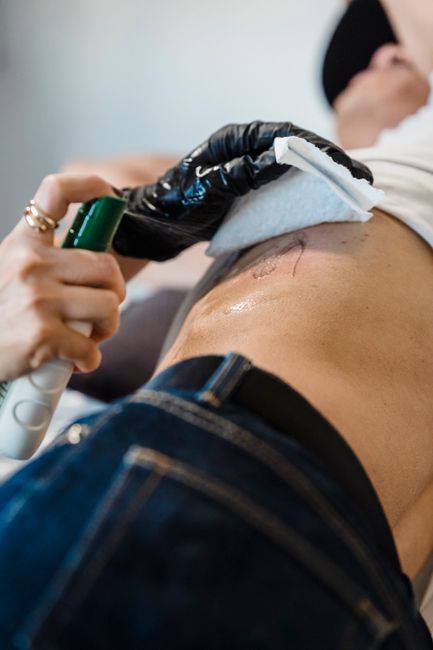
The gold standard for piercing aftercare is simple: a sterile saline solution, used twice daily. Spray directly onto the piercing, let it sit for thirty seconds, then gently rinse. That is all you need. You don't need antiseptic cream, tea tree oil, alcohol, or any other products — these are either too harsh for healing tissue, disrupt the natural healing process, or are simply unnecessary. Less is genuinely more with piercing aftercare.
The most important habit beyond cleaning is not touching. Every time you touch a healing piercing with unwashed hands, you introduce bacteria and disturb the forming fistula. Don't rotate or twist the jewellery — this is outdated advice that causes micro-tears in the healing skin. Sleep on a clean pillowcase and use a travel neck pillow to keep pressure off ear piercings at night. Avoid submerging fresh piercings in pools, hot tubs, rivers, or the sea until fully healed.
When to Downsize Your Jewellery
The jewellery placed in a fresh piercing is always longer or larger than the final piece will be — this allows room for the initial swelling. Once swelling settles (usually around four to six weeks), that extra length becomes a problem. Long jewellery catches on clothing and hair, gets knocked more easily, and can cause the piercing to migrate or develop scar tissue from repeated pressure.
Downsizing is one of the most important steps in the healing process, and it's the step clients most often miss. Return to your piercer once the initial swelling has resolved, and they'll assess whether you're ready for a shorter post. This single step significantly reduces the risk of hypertrophic scarring and pressure bumps throughout the longer healing period. We do downsizes at Teddington Ink — book in with Alejandro if you're ready to make the switch.
Frequently Asked Questions
How long until I can change my earring after a lobe piercing?
Wait a minimum of eight weeks, and have the first change done by your piercer. The channel may look healed on the outside before the internal tissue has fully formed. Changing too early risks tearing the new fistula.
Why does my cartilage piercing still hurt after three months?
Intermittent tenderness in cartilage piercings is common for the full six to twelve month healing period, particularly after it's been knocked or slept on. As long as there's no spreading redness, fever, or pus, this is normal. Consistent aftercare and avoiding pressure on the piercing are the best responses.
Is the bump next to my piercing an infection?
Probably not. A small, flesh-coloured raised bump is typically a hypertrophic scar — very common in cartilage piercings, usually caused by repeated irritation. Improved aftercare, downsizing to a shorter post, and removing the source of irritation typically resolves it. A genuinely infected piercing is hot, spreading, and painful in a way that feels different. If you're unsure, come in for a check.
Can I go swimming with a healing piercing?
Not until it's fully healed. Pool water contains chlorine and bacteria; open water contains significantly more bacteria. Both increase the risk of infection and delay healing. Wait until the piercing is completely settled before swimming.
What's the fastest-healing piercing?
Earlobes, followed by septum piercings. Both typically heal within six to eight weeks on the surface, though complete internal maturation takes longer. Cartilage piercings are the slowest, usually requiring six to twelve months or more for full healing.
Have a question about your healing piercing or want to book a downsize? Find out more about piercing at Teddington Ink or come in and see Alejandro — we're always happy to check on a healing piercing and give you honest, straightforward advice on where you're at.