Why Tattoos Fade and What You Can Do About It
Every tattoo fades. This is not a failure of your skin or your aftercare routine — it's simply the nature of permanently deposited pigment in a living, changing biological system. What varies enormously between tattoos is the rate and degree of that fading, and much of that variance is within your control. Understanding why tattoos fade puts you in a much better position to slow it down and maintain the work you've invested in.
What Causes Tattoo Fading?
Tattoo ink sits in the dermis — the second layer of skin — where it's encapsulated by the body's immune cells (macrophages). These cells attempted to clear the foreign particles when the tattoo was first applied and continue doing so over your lifetime, very slowly and largely unsuccessfully for professional-grade ink, but persistently enough to contribute to gradual fading over years and decades.
This immune process is exacerbated by anything that disrupts skin cells or increases the activity of the immune system in the skin. UV radiation from sunlight is by far the biggest driver. UV rays break down ink pigment particles, causing colours to become lighter and lines to lose their crispness. The body then accelerates its clearance of the disrupted pigment fragments. Over years of sun exposure, an unprotected tattoo can fade dramatically.
Skin cell turnover also plays a role. The outer layers of skin are constantly renewing, and while the ink is in the dermis rather than the epidermis, the dynamic movement of tissue over time affects how ink reads from the surface. Areas of the body with very rapid skin turnover — like the hands and feet — fade noticeably faster than areas with more stable skin.
Which Placements Fade Fastest
Placement is one of the most significant predictors of how quickly a tattoo will fade. Certain areas of the body simply don't hold ink as well as others, for reasons related to skin thickness, moisture levels, movement, and UV exposure.
Hands and fingers are notorious for rapid fading. The skin on the palms and fingers is thicker and experiences constant friction and washing, which accelerates pigment loss. Finger tattoos in particular often need touch-ups within a year or two of application, regardless of how well they're initially executed. Feet and toes have similar characteristics.
Areas that receive frequent sun exposure — forearms, shoulders, upper back, calves — fade more quickly than areas that are typically covered by clothing. Tattoos on the torso, upper thighs, and inner arms, which spend most of their lives sheltered from UV, tend to maintain their vibrancy significantly longer.
Areas of significant movement and friction — elbows, knees, and inner wrists — also fade faster due to the mechanical stress on the skin. Ink in skin that folds and stretches repeatedly migrates slightly over time, which softens lines and blurs detail.
Lifestyle Factors That Accelerate Fading
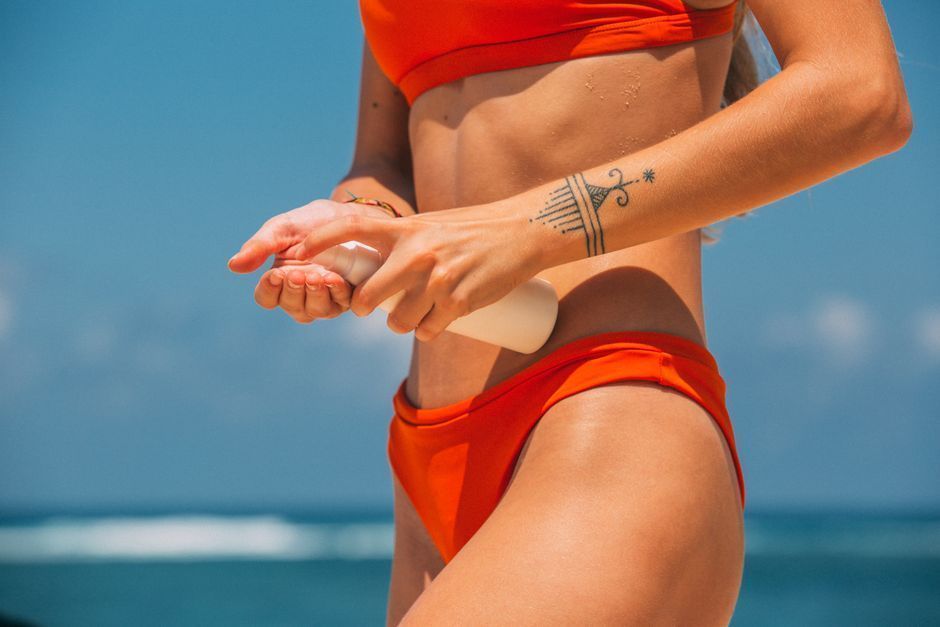
Beyond placement, several lifestyle factors significantly affect how quickly a tattoo fades. Sun exposure is the primary one, as detailed above — but it's worth being specific. Daily incidental exposure (driving with a window down, sitting near a window, brief walks outdoors) adds up over years. SPF 30 or higher applied to tattooed skin before any sun exposure is one of the most effective things you can do for longevity.
Skin hydration is another significant factor. Well-moisturised skin has a healthier cellular turnover, maintains more consistent barrier function, and allows tattoo pigment to read more vibrantly from the surface. Chronically dry skin makes tattoos look dull and can accelerate the appearance of fading even when the actual ink loss is minimal. Daily moisturising over tattooed skin is a simple habit with meaningful long-term benefits.
Swimming — particularly in chlorinated pools and saltwater — is harsher on tattoos than many people realise. Chlorine is a mild bleach; saltwater increases skin exfoliation. Frequent swimmers tend to experience faster fading, particularly on exposed areas. This doesn't mean avoiding swimming, just being consistent with sunscreen application when poolside and moisturising after sessions.
The Role of Initial Application Quality
Not all tattoo fading is about what happens after the session. The quality of the original application plays a significant role in how a tattoo ages. Ink deposited too shallowly into the skin (in the epidermis rather than the dermis) will shed with normal skin cell turnover and appear to fade very rapidly in the first weeks of healing — often described as "fallout." Ink deposited too deeply can blur and bleed into surrounding tissue over time.
An experienced artist working with proper technique and appropriate needle configuration deposits ink consistently at the correct depth for the skin type and placement they're working on. This is one of the reasons that artist quality directly influences how a tattoo ages, not just how it looks immediately after being done.
What to Do When Fading Becomes Noticeable
When a tattoo reaches the point where fading is affecting how it looks — colours have significantly mellowed, lines have softened to the point of lacking definition — a touch-up is the solution. Touch-ups involve reworking specific areas or the whole piece to restore vibrancy and crispness. They're a normal part of maintaining tattoo work, particularly for pieces in high-fade placements or those more than a decade old.
Our posts on tattoo aftercare and tattoo touch-ups cover both the prevention side and the maintenance side in detail. The best approach is to establish good aftercare habits from day one and schedule a touch-up assessment once the piece has been on your skin for a few years if you notice significant fading. Book in at Teddington Ink to discuss what's involved in refreshing existing work.

Colours That Fade Fastest and Slowest
Not all ink colours fade at the same rate. Black ink is the most stable — carbon-based particles are robust and create the strongest contrast, which means even as they gradually disperse slightly, they remain visible for decades in most cases. Dark navy, deep green, and rich burgundy also tend to hold well.
Lighter colours fade faster and less gracefully. Yellow and white are the most prone to fading and shifting — yellow can turn olive or brown over time, while white often greys or becomes nearly invisible within a few years. Pastel pinks and light blues also mellow significantly. This is worth knowing if you're planning a design that relies heavily on light colour fills — discuss longevity with your artist and they may suggest how to build in more durability through darker background colours or bolder outlines that will maintain definition as the fills fade.
Frequently Asked Questions
How long before a tattoo starts to noticeably fade?
This varies enormously by placement, lifestyle, and style. A well-placed, well-cared-for tattoo in black ink might show minimal visible fading for ten to fifteen years. A colour tattoo in a sun-exposed placement with minimal sun protection might begin to look noticeably lighter within three to five years. There is no single timeline.
Can I slow fading at any point, or only from the beginning?
You can start protective habits at any point and they'll benefit the tattoo from that moment forward. It's never too late to start applying SPF regularly and moisturising daily. Obviously starting immediately after healing is most beneficial, but beginning later still extends the life of the work.
Does a touch-up make a tattoo look brand new?
A good touch-up can significantly restore a faded tattoo, but the result depends on how much fading has occurred and whether the original application quality was good. In most cases, a well-executed touch-up brings a noticeable improvement. Very heavily faded or poorly done original work may require more extensive reworking.
Do tattoos fade differently on different skin tones?
The underlying ink pigment fades at similar rates across all skin tones, but visual fading can appear more pronounced in some cases. On darker skin tones, the interplay between ink and melanin means some colours appear slightly different from the outset, and changes over time may be less immediately obvious for some colours while more obvious for others.
Is there anything at home I can do to restore a faded tattoo?
No home treatment can restore faded ink — once pigment is gone, it's gone, and no cream or product can bring it back. Regular moisturising and sun protection preserve what's there and slow further fading, but actual restoration requires professional touch-up work.
Keep reading
More from the studio