Tattoos on Dark Skin: What You Need to Know
Tattoos on darker skin tones can be absolutely stunning — but they require specific knowledge and skill from an artist, and not every tattooist is equally equipped to do the work justice. If you have a deeper skin tone and have been given conflicting advice about what's possible, or if you've seen tattoos on dark skin that didn't turn out as hoped, this guide is for you. Understanding how ink interacts with melanin-rich skin puts you in a far stronger position to get a great result.
How Skin Tone Affects Tattoo Visibility
All tattoo ink sits in the dermis — the second layer of skin, beneath the epidermis. The epidermis contains melanin, the pigment that gives skin its colour. In darker skin tones, higher concentrations of melanin in the epidermis mean that this layer filters the appearance of ink beneath it, affecting how colours read from the surface.
This is not a problem unique to tattooing — it's simply physics, and understanding it helps set realistic expectations about which colours and styles will be most visible and vibrant on your skin. It does not mean that dark skin tones cannot get beautiful, vibrant tattoos. It means that specific colour choices, design approaches, and artist experience become more important.
The contrast between the ink and the surrounding skin is one key factor. Dark, saturated colours — particularly black, deep reds, dark blues, and rich purples — create strong visual impact on darker skin tones. Very light colours, such as pastels, yellows, and whites, have less contrast and will be less visible. Black ink in particular tends to look exceptionally crisp and striking on deeper skin tones.
Which Styles Work Best
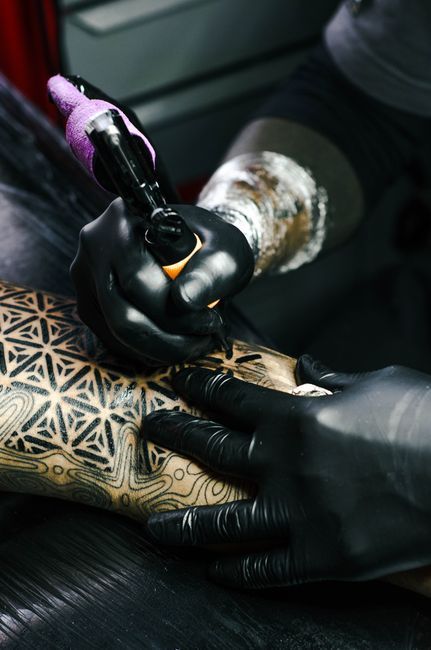
Not all tattoo styles translate equally well to all skin tones. Styles that rely on bold, dark ink tend to perform most reliably. Traditional and neo-traditional tattoos, with their strong black outlines and saturated fills, can look spectacular on dark skin. Blackwork — designs done entirely in black ink — is particularly well-suited, creating bold graphic impact with excellent longevity.
Fine line work is more challenging on darker skin tones. The high contrast that makes fine lines pop on very light skin is reduced on darker tones, which can make delicate linework harder to see, particularly as it heals and the skin's natural pigment settles back. This doesn't mean fine line is impossible on dark skin — it means it requires an experienced artist who understands how to adjust line weight and design density for the canvas they're working on.
Watercolour and very pastel-heavy styles are generally less suitable for dark skin, not because they "don't work" but because much of their visual impact depends on light, airy colour that reads differently against deeper melanin. An experienced artist will discuss these trade-offs honestly and help you adapt a design concept to get the best possible result on your specific skin tone.
Colour Tattoos on Dark Skin: What to Expect
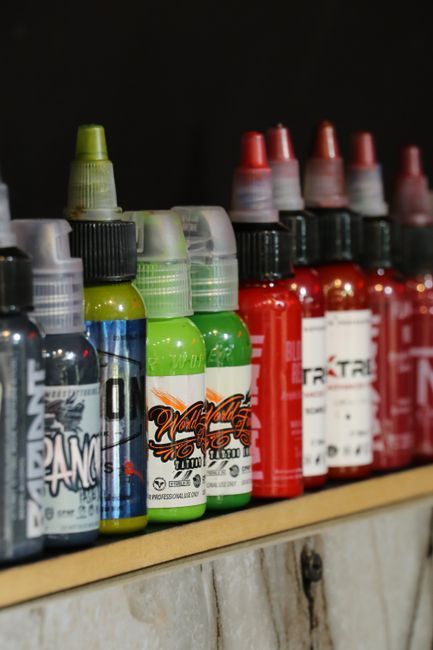
Colour tattoos on dark skin are absolutely achievable, but colour selection matters significantly. The colours that show best are those with high saturation and darkness — jewel tones like deep emerald, cobalt blue, burgundy, and rich purple all perform well. These darker, saturated colours have enough contrast with the surrounding skin to be clearly visible without the filter of melanin washing them out.
Colours to approach more cautiously include yellow, orange, and light pink, which have little inherent darkness and can appear muted or barely visible on deeper skin tones. White ink, often used for highlights in certain styles, may appear differently on dark skin — sometimes turning grey, sometimes barely visible at all as it heals.
An artist experienced with dark skin will know to use heavier pigment saturation and may adapt their technique — working ink in differently than they would on lighter skin to ensure proper saturation. This is a technical skill, not a simple stylistic preference, which is why artist selection is so important.
Finding the Right Artist
This point cannot be overstated: your choice of artist is the single most important variable in getting a good tattoo on dark skin. Look specifically for a portfolio that includes healed work on skin tones similar to yours. Fresh tattoo photos can look good on any skin; healed photos tell you whether the artist really understands how their work settles and reads over time on darker melanin.
Ask directly whether the artist has regular experience with your skin tone. A confident, experienced tattooist will answer clearly and show you relevant portfolio examples. An artist who hedges, overpromises without evidence, or seems unsure of how to adjust their approach should be approached cautiously.
Our guide to how to pick the right tattoo artist and studio covers the full process of finding and evaluating an artist — the advice there applies especially strongly when skin-tone experience is a key requirement.
Healing and Aftercare on Dark Skin
Aftercare is the same regardless of skin tone — clean, moisturised, out of the sun — but there is one additional consideration for darker skin: hyperpigmentation and hypopigmentation. Some darker-skinned individuals are more prone to post-inflammatory hyperpigmentation (darkening of the skin around the tattoo as it heals) or, less commonly, hypopigmentation (lightening of the surrounding skin). These conditions are generally temporary and resolve as the skin fully heals.
Keeping the tattoo well-moisturised and absolutely out of direct sunlight during healing significantly reduces this risk. If you know from previous skin injuries or piercings that your skin tends toward hyperpigmentation, mention this to your artist beforehand — they may have specific product or technique recommendations.
Dispelling Common Myths
Several myths about tattooing on dark skin persist and are worth addressing directly. The first is that tattoos "don't work" on dark skin — this is simply false. Tattoos have been a part of cultures with dark skin tones for thousands of years, and with the right artist and design approach, the results can be extraordinary. The second is that only black ink works — also false, though black and dark saturated colours do perform most reliably. The third is that you have to accept lower quality or fewer options — this too is false, but it does require you to be more selective about which artist you choose.
You deserve a tattoo that looks incredible on your skin. The key is finding an artist who has genuinely mastered working with your skin tone, rather than simply accepting one who has not. Book a consultation at Teddington Ink to discuss your ideas and see how we approach work across all skin tones.
Frequently Asked Questions
Will colour tattoos fade faster on dark skin?
Not inherently — fade rate is primarily affected by sun exposure, aftercare, and the quality of ink and application, not by skin tone. However, colours that already have less contrast on darker skin may become less visible as they mellow over time. Dark, saturated colours age best on all skin tones.
Do tattoos hurt more or less on dark skin?
Pain level is not related to skin tone. It varies by placement, individual pain tolerance, and the artist's technique and machine settings. Skin tone has no bearing on the pain experience.
Are there styles that should be avoided on dark skin?
Avoid very fine-line or pastel-heavy styles unless your artist has demonstrated specific experience and strong results in these styles on comparable skin tones. The styles themselves aren't "bad" for dark skin, but they require additional skill to execute well and the results are less forgiving of artist inexperience.
What should I ask at my consultation?
Ask to see healed examples of work on skin similar to yours. Ask how the artist adapts their technique for darker skin tones. Ask specifically about colour choices — which colours they recommend and which they'd caution against for your design and skin tone. An experienced artist will have clear, confident answers.
Is there anything to do before the appointment?
Standard tattoo preparation applies — stay hydrated, moisturise the area in the days leading up to your appointment, eat beforehand, and avoid alcohol. There are no additional skin-tone-specific preparations required.